
 ع
ع



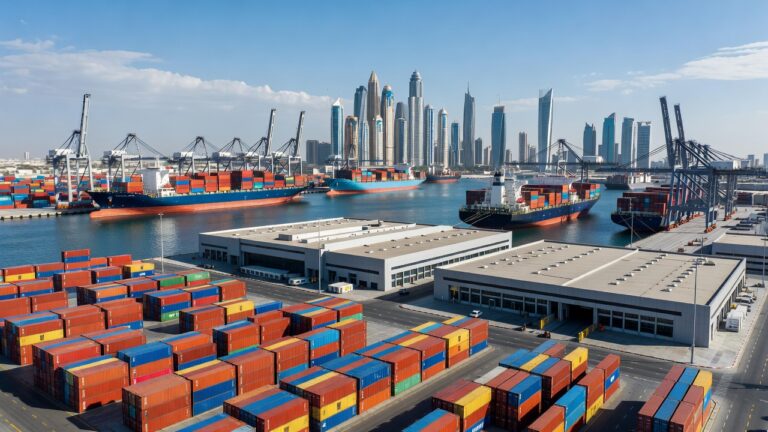
President Donald Trump detailed the temporary measure in a post on Truth Social, framing it as support for American ranchers rebuilding their herds after years of supply constraints. “As we work to rebuild this herd and help our ranchers, for the next 90 days, the United States will allow up to 300,000 metric tonnes of product for ground beef to be imported with no out of quota tariff,” Trump wrote. He added that the imported beef would come with a commitment to sell at 25 percent below current market prices, although he provided no details on the exporting countries involved.
Ground beef prices have continued to rise, averaging $7.116 per pound according to the latest Bureau of Labor Statistics figures. A Reuters assessment found that the action addresses persistent grocery cost pressures on households, which have been amplified by supply shortages and higher energy expenses tied to international conflicts. The announcement arrives as midterm elections approach, with food prices remaining a central concern for voters.
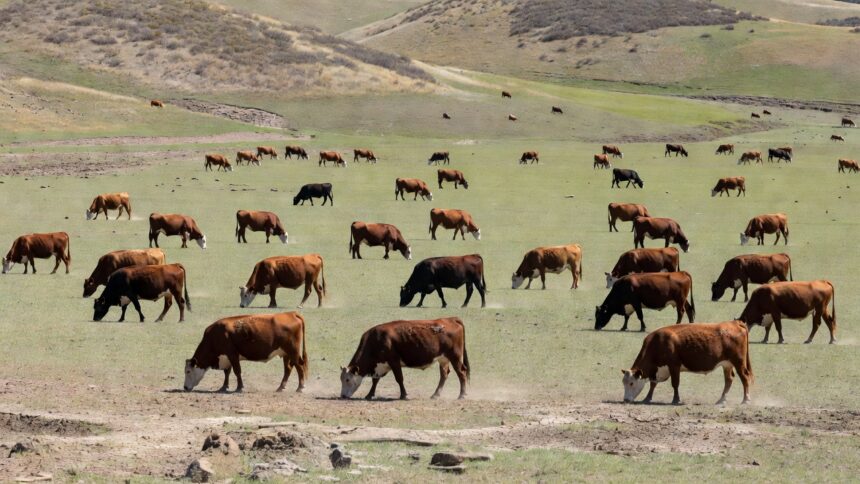
The U.S. cattle inventory has fallen to record lows, with the herd standing at 86.2 million head as of January 2026, a White House fact sheet from earlier this year reported. Drought, wildfires and restrictions on cattle imports from Mexico linked to disease concerns have all contributed to reduced domestic output, according to government data. Trump positioned the 90-day import window as a bridge that would ease immediate market strain without undermining long-term efforts to expand American beef production.
White House representatives did not immediately respond to requests for additional information on the agreement, Reuters reported. The measure suspends higher tariffs that typically apply once imports exceed established quotas, a mechanism governed by World Trade Organization guidelines, CBS News explained. Trump further stated in his post that he had “concluded a deal to substantially lower the price of ground beef for working American families.”
This step builds on earlier administration initiatives to supplement beef supplies through targeted imports from nations such as Argentina, one Bloomberg Law review indicated. Industry data show that ground beef remains one of the most consumed beef products, making its price particularly sensitive to supply fluctuations. No information has emerged on how the price-reduction commitment will be monitored or enforced during the temporary period.
Consumer costs for beef have increased roughly 25 percent since the start of the current administration, Bureau of Labor Statistics data places the rise at that level amid broader supply chain challenges. The energy crisis connected to the war in Iran has driven up fuel and transportation expenses, further elevating retail food prices, several outlets noted in their coverage. The tariff relief is expected to increase available volume in the domestic market over the coming three months.