 ع
ع


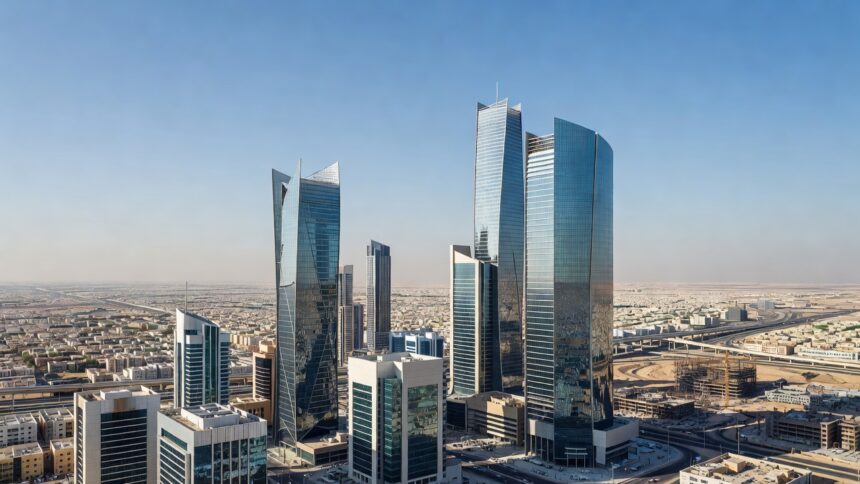
The Riyad Bank Saudi Arabia Purchasing Managers’ Index registered 56.3 in January 2026, down from 57.4 in December and the lowest reading in six months, a survey compiled by S&P Global showed. Readings above 50 indicate expansion in the non-oil private sector. New orders edged higher to 61.9 from 61.8, driven by robust domestic demand and increased exports to Asia and GCC countries even as international competition limited gains in some markets.
Naif Al-Ghaith, chief economist at Riyad Bank, said, “Survey evidence points to ongoing strength in output and sales, underpinned by newly approved projects, steady customer enquiries, and improved investor activity, even as growth momentum moderated.” The comment accompanied the February 3 release detailing January conditions. The data were collected from January 12 to 22.
Employment grew for the month but at the slowest rate in 12 months as firms sought candidates with specialised technical skills, the survey indicated. Input prices rose for a second straight month on higher wages along with costs for fuel and metals. Saudi businesses nevertheless held a positive view on future production levels supported by incoming orders and the prevailing economic climate.
The performance builds on 2025 when preliminary government figures showed the Saudi economy expanded 4.5 percent for the full year with non-oil sectors fuelling nearly 5 percent growth in the fourth quarter. According to the Vision 2030 2025 Annual Report, non-oil activities accounted for 55 percent of GDP while the private sector contributed 51 percent of output. Non-oil GDP grew 4.9 percent in real terms that year compared with 2024, the report stated.
The International Monetary Fund lifted its projection for Saudi Arabia’s 2026 growth to 4.5 percent in an update released in January, attributing the revision to higher oil output and ongoing reforms. World Bank data places expected expansion at 4.3 percent for the Kingdom in 2026. The IMF also forecast Middle East and Central Asia growth climbing from 3.7 percent in 2025 to 4.0 percent by 2027.
These developments reflect broader advances under Saudi Vision 2030, which aims to diversify the economy away from oil dependence through private sector expansion and non-oil investment. The programme has entered its third phase covering 2026 to 2030 with emphasis on sectors such as mining, transport and industry. Challenges remain including global competition for clients and rising cost pressures that firms must navigate.