 ع
ع


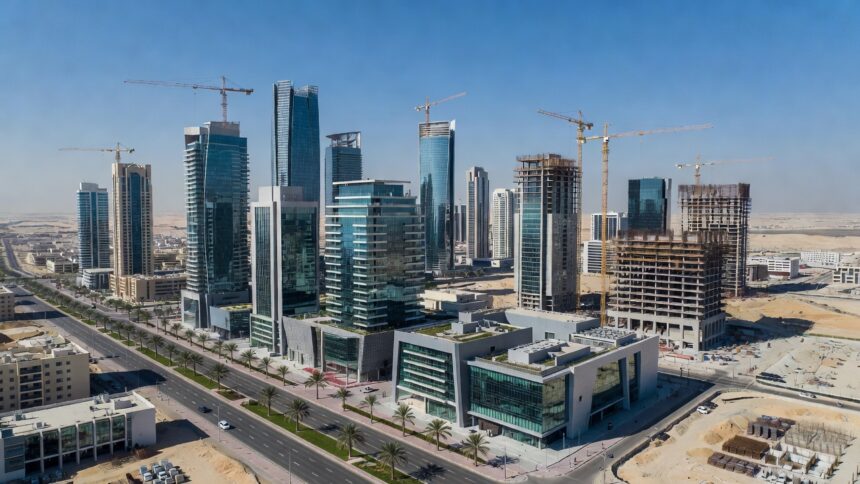
The Markaz analysis released on February 16 2026 projected that Gulf real estate markets would extend their expansion through the first six months of the year with Saudi Arabia the UAE and Kuwait at the forefront of activity. Sustained momentum would stem from higher oil production non-oil sector advances and continued government spending on infrastructure projects according to the report. A more accommodative interest rate environment was also expected to improve liquidity and support borrowing across residential commercial and industrial segments. The Kuwait Financial Center described real estate as remaining a central element in GCC diversification strategies aimed at reducing dependence on oil revenues.
Saudi Arabia’s property market showed robust results in the second half of 2025 with residential transactions climbing 17.9 percent from the prior quarter as Riyadh and Jeddah recorded notable price increases the report indicated. Office vacancy in the capital stood at 0.5 percent contributing to prime rent growth of 7.3 percent year on year while demand was supported by the Regional Headquarters Program and activity in healthcare and technology. Investment Minister Khalid Al-Falih stated in October that more than 780 companies had relocated their regional bases to Riyadh which offers a 30-year corporate tax exemption and other incentives. An IMARC Group assessment valued the overall GCC real estate market at $141.2 billion in 2025 and projected expansion to $260.3 billion by 2034 at a compound annual growth rate of 7.03 percent.
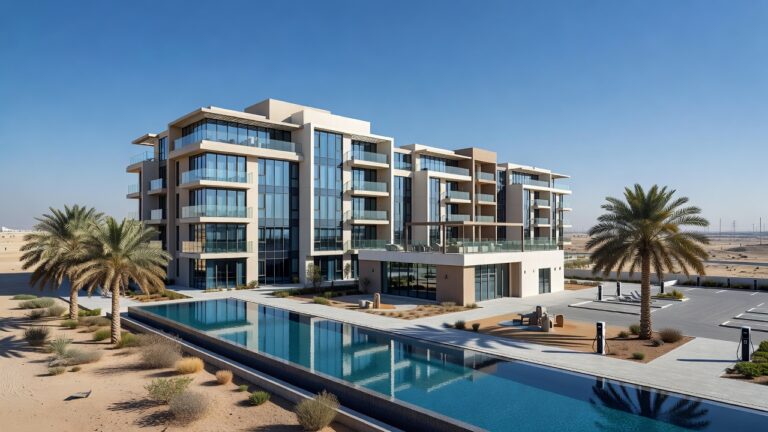
The Kingdom’s population reached 35.3 million by mid-2024 reflecting 4.7 percent year-on-year growth with non-Saudis comprising 44.4 percent of the total a development that continues to fuel housing requirements according to the Markaz document. Although the fiscal deficit widened to 3.7 percent of GDP in 2025 and was forecast to hold at similar levels this year increased capital expenditure under Vision 2030 would back construction activity. Alpen Capital’s industry report estimated that Saudi residential supply would rise by 499,000 units between 2025 and 2030 reaching 3.45 million units primarily through giga-projects in Riyadh and Jeddah.
The UAE recorded strong real estate results in the first three quarters of 2025 with Dubai transaction values advancing 28.3 percent year on year to 554.1 billion dirhams while Abu Dhabi sales climbed 75.8 percent to 58 billion dirhams the analysis showed. Transaction numbers in Abu Dhabi increased 42.3 percent to 15,800 during the period. Markaz noted that although sustainability questions had surfaced the current cycle rested on firm fundamentals reducing prospects of a sharp correction yet a moderation phase could follow in the medium term. The firm anticipated that UAE real estate activity might peak in the first half of 2026 with steady advances in prices and rents across both Dubai and Abu Dhabi.
Kuwait’s property sector maintained stable growth in the first nine months of 2025 as total sales rose 26.9 percent year on year to 3.04 billion dinars driven by gains in land prices and rental rates the report detailed. Investment segment sales jumped 60 percent while residential and commercial transactions increased 8 percent and 17.4 percent respectively with overall deal volumes up 27.8 percent to 4,247. The Kuwaiti economy is projected to expand 3.9 percent in real GDP terms during 2026 supported by elevated oil output stronger non-oil performance and anticipated rate reductions factors expected to lift demand for commercial and industrial space.
A report from King & Spalding highlighted that institutional investors in 2026 would continue favoring sectors with structural tailwinds such as logistics residential products and hospitality amid GCC tourism initiatives and digital economy policies. The combined trends across the three leading markets align with broader efforts to align real estate supply with demand as governments pursue disciplined expansion strategies. According to the Alpen Capital review office stock across the GCC is set to grow from 33.3 million square meters in 2025 to 42.4 million square meters by 2030 with more than 65 percent of additions concentrated in Saudi Arabia and the UAE.