
 ع
ع



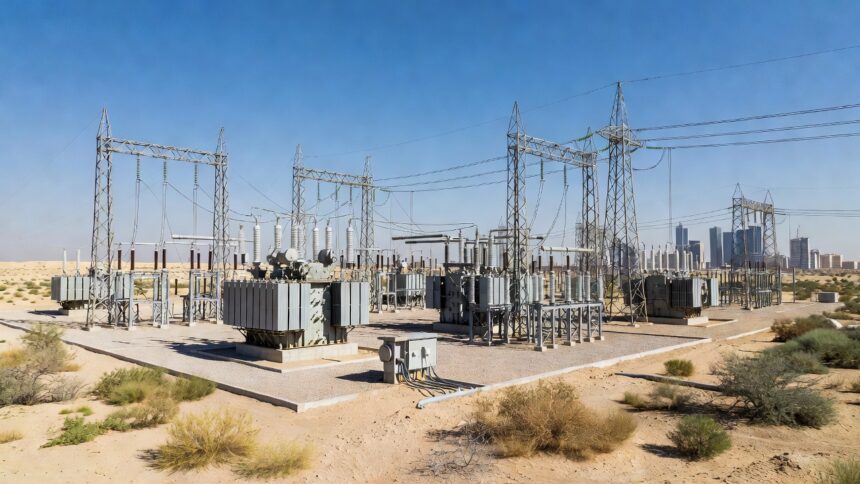
Kahramaa said in a statement that it had invited bids for the 2026 power transmission system expansion project covering an engineering procurement and construction contract for new substations at voltage levels that include 400/132/11kV 132/11kV and 66/11kV facilities. The tender also encompasses installation of 400kV extra-high voltage cables with the work split into several packages. Those packages feature construction of new 132/11kV and 66/11kV substations development of a 400/220/132kV substation upgrades to existing facilities and additional cable installations. Bid submissions must reach the utility by May 14.
The statement from Kahramaa described the project as part of the utility’s wider strategy to expand its transmission network while improving reliability and operational efficiency. According to the corporation’s website the electrical load reached 10220 MW during the summer of 2024 reflecting continued growth in consumption. Kahramaa’s 2023 annual report placed average annual growth in peak electricity demand across sectors at between 2 and 4 percent underscoring steady expansion of the national economy.
IMARC Group data shows the Qatar power transmission and distribution market was valued at 621.24 million U.S. dollars in 2025 with a projection to reach 859.07 million dollars by 2034. Investments in grid modernisation and extension are expected to sustain that trajectory according to the consultancy’s assessment. The latest tender aligns with those market dynamics by addressing capacity constraints in core transmission infrastructure.
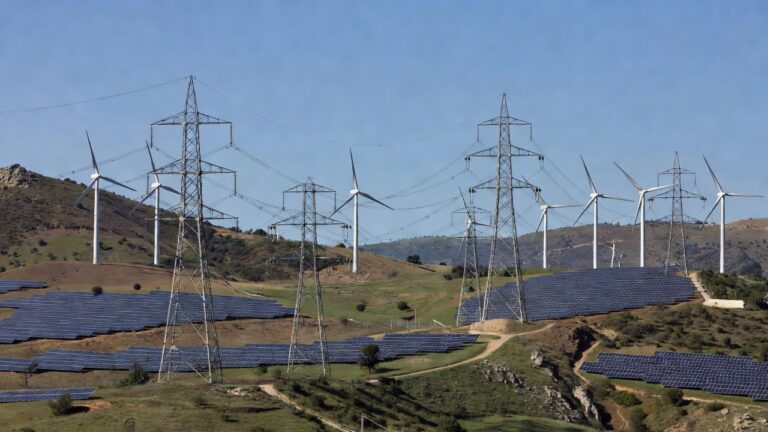
Oxford Business Group reporting indicated that Qatar aims to generate 20 percent of its electricity from renewable sources by 2030 with the Al Kharsaah solar plant already supplying around 10 percent of peak consumption needs. Two additional solar projects totalling 880 MW are scheduled for completion in Mesaieed and Ras Laffan industrial cities by the end of 2025 a separate Oxford Business Group overview found. Such additions place further importance on robust transmission capacity to integrate intermittent renewable output into the national grid.
Project records show the current tender forms part of a series of transmission system expansions with earlier phases such as Phase XI involving comparable substation builds and cable installations spanning dozens of kilometres. A 2024 scientific analysis published in Energy Reports highlighted that domestic electricity demand recorded one of the largest increases among sectors between 2019 and 2020 with overall peak load hovering near 8.6 GW at that time before subsequent growth. Kahramaa has progressively scaled its infrastructure to match these trends across residential industrial and commercial users.
The utility’s latest invitation continues a pattern of open tenders for power sector works that have drawn regional and international contractors in past rounds. According to data from the Qatar National Statistical Office and related government portals total energy transmitted exceeded 45 terawatt hours in recent years even as efficiency measures were introduced. Kahramaa has maintained that such expansions remain essential to ensuring uninterrupted supply amid Qatar’s economic diversification efforts.