 ع
ع


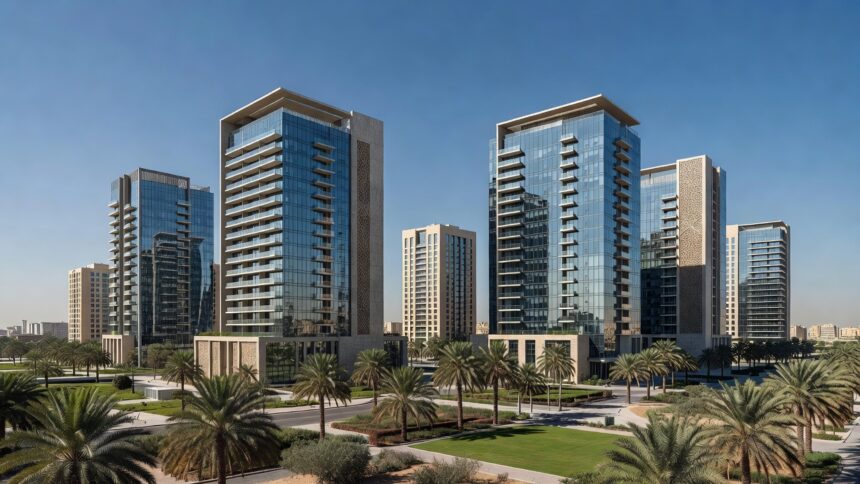
The General Real Estate Authority issued a clarification on the application of real estate transaction taxes as the kingdom advances reforms to open property ownership to non-Saudis in selected areas. REGA spokesperson Taisir Al-Mufarrij said the statutory 5 percent tax covers transfers by both Saudi and non-Saudi buyers across the entire country. The spokesperson added that non-Saudi transactions within designated geographic zones in Riyadh, Jeddah, Makkah and Madinah incur an additional 2 percent fee on top of the standard rate in line with the relevant law and its executive regulations.
This statement arrives months after the Law of Real Estate Ownership by Non-Saudis entered into force in January 2026. A White & Case assessment noted that the legislation permits non-Saudis to acquire property in approved zones to draw greater foreign investment into Vision 2030 projects such as Neom and Diriyah. An IMARC Group report valued the Saudi real estate market at $77.2 billion in 2025 and projected expansion to $141.6 billion by 2034 at a compound annual growth rate of 6.73 percent.
Transaction values in the first quarter of 2026 reached SAR 112 billion according to data compiled by re-platform.io, reflecting a 6.8 percent increase from the same period a year earlier. The General Authority for Statistics recorded a 4 percent rise in the real estate price index through early 2025 that encompassed both commercial and residential segments. Such trends illustrate sustained activity in the sector even as authorities implement the ownership liberalisation measures.
REGA has identified the designated zones for non-Saudi ownership to include parts of the capital city Riyadh, the commercial centre Jeddah and the holy cities of Makkah and Madinah. Foreign buyers and investors must observe the combined tax obligations when completing purchases in these locations the authority emphasised in its clarification. The move follows the replacement of a two-decade-old framework that had imposed stricter limits on foreign real estate holdings.
Saudi real estate supported foreign direct investment inflows of SAR 22.2 billion in the first quarter of 2025 according to a Forbes analysis that cited official figures showing a 44 percent year-on-year gain. The sector contributed between 5 and 6 percent to non-oil GDP during that period the report added. These inflows align with broader economic diversification goals that have prioritised real estate as a channel for international capital.
The updated law sets a minimum investment threshold of SAR 30 million for certain non-Saudi activities and prohibits notarisation of any non-compliant transactions White & Case indicated. REGA oversees the mapping and approval processes for allowable ownership areas under the new regime. Industry participants have monitored the tax clarification closely as the first half of 2026 transactions demonstrated continued liquidity despite shifts in buyer eligibility.