
 ع
ع



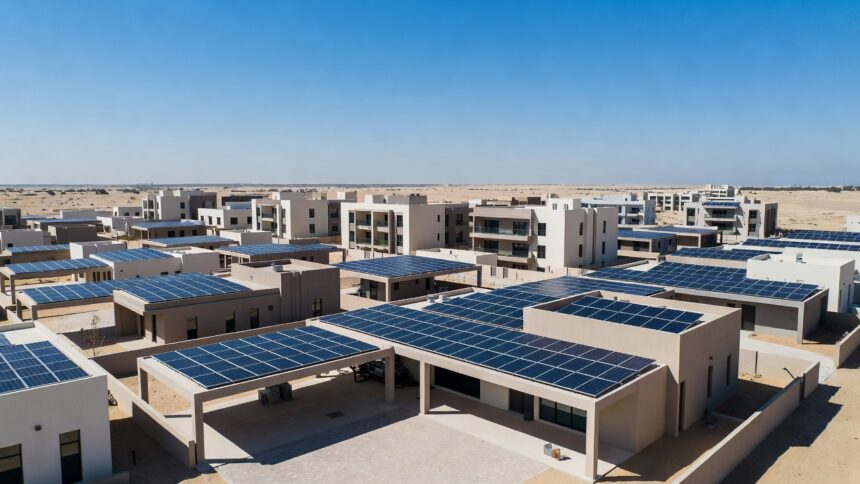
The Boston Consulting Group analysis modelled conditions in high-irradiance Gulf markets and determined that on-site solar can supply as much as 35 percent of electricity needs in large developments depending on design density and local rules. Rooftop installations alone enable a single-family villa to meet about 50 percent of its annual requirements by generating 35 megawatt-hours per year while a typical mid-rise building reaches 15 percent or 190 megawatt-hours. The report titled Mega-Projects Powered by Renewables advocates power purchase agreements and energy-as-a-service models that eliminate upfront capital outlays for developers across the region.
Boston Consulting Group Managing Director Edoardo Geraci said the region’s mega developments represent a generational opportunity to reshape urban energy infrastructure. He noted that developers integrating renewables from the master planning stage reduce operational costs and future-proof assets against evolving carbon regulations and energy price volatility. The economic case has never been stronger according to the BCG assessment.
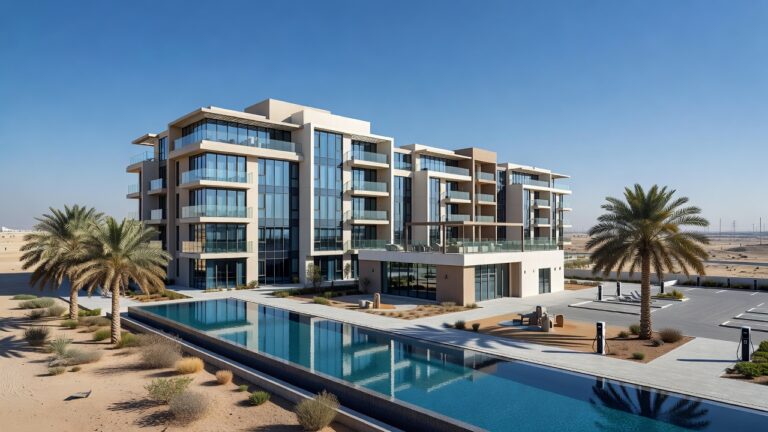
The report challenges the view that solar requires excessive space in dense urban settings or involves prohibitive costs and complexity. It highlights how rooftop systems building-integrated photovoltaics carports and shaded structures can be added without extra land while third-party financing removes capital barriers entirely. Boston Consulting Group Managing Director Peter Jameson said modern solar solutions integrate seamlessly into rooftops facades and shade structures without compromising architectural vision.
Renewable-powered design can also create distinctive urban features that boost appeal to residents investors and visitors the BCG playbook states. Developers gain most value by sizing opportunities early orchestrating stakeholder alignment and embedding renewable considerations into initial master plans to prevent costly retrofits. The guidance draws on conditions observed in Saudi Arabia but carries direct implications for similar mega-projects throughout the GCC.
The recommendations coincide with the GCC drive toward ambitious renewable targets as the Center on Global Energy Policy at Columbia University estimates an extra $60 billion investment will be needed between 2025 and 2030 to add 102 gigawatts of capacity on the way to a 165-gigawatt regional goal. IRENA figures show solar accounting for the majority of recent capacity additions in the Middle East where the region posted a 28.9 percent growth rate in the latest annual period. Only about 19 gigawatts of the more than 62 gigawatts in planned projects had connected to the grid as of mid-2025 underscoring demand for practical deployment strategies.