 ع
ع


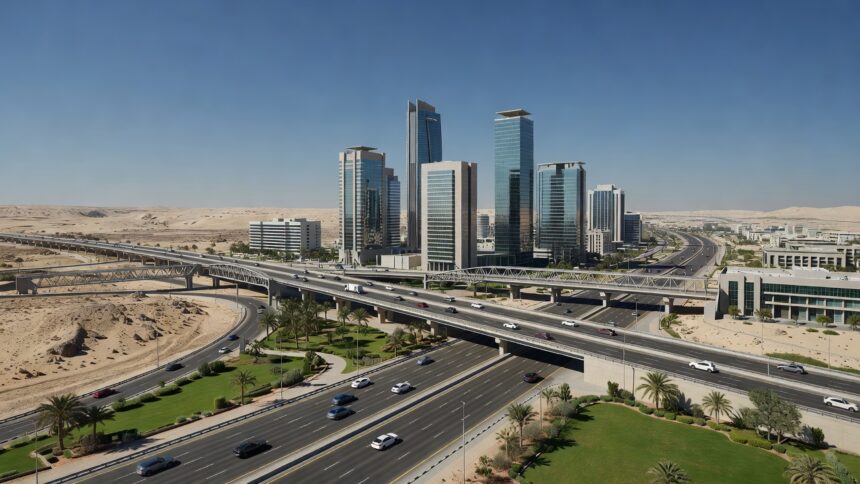
The International Monetary Fund assessment published in 2024 found that Qatar’s decade-long public investment program ahead of the 2022 FIFA World Cup contributed between 5 and 6 percentage points to non-hydrocarbon output growth from 2011 to 2022. When data for 2011 to 2019 is isolated the contribution rises to between 7 and 9 percentage points, figures that align closely with actual recorded growth in the non-oil sector during those periods. The IMF report placed the near-term boost from tourism spending and broadcasting revenues at up to 1 percent of Qatar’s 2022 GDP, equivalent to between $1.6 billion and $2.4 billion in gross value added. These outcomes have prompted neighboring states to embed similar events deeper into their long-term economic strategies.
Saudi Arabia’s preparations to host the 2034 FIFA World Cup build directly on Vision 2030 priorities of building a vibrant society, thriving economy and ambitious nation, according to materials from the Saudi hosting authority. The tournament will require 15 stadiums along with extensive upgrades to transport, hospitality and digital infrastructure, much of which overlaps with existing giga-projects estimated by Knight Frank at $1.3 trillion. Economic modeling cited in regional analyses suggests the event could add more than 1.25 percentage points to annual non-oil GDP growth over the next decade, driven by expected attendance exceeding 5 million and a substantial rise in overseas visitors. The scale reflects a shift in which mega-events serve as accelerators rather than one-off showcases.
Qatar’s non-hydrocarbon sectors now account for more than 65 percent of total GDP and expanded 3.7 percent in 2024, led by gains in education, accommodation, entertainment and transport, according to updates from the Ministry of Finance. Foreign direct investment into the country jumped 109.6 percent that year to reach $2.7 billion across 241 projects, the majority greenfield, while more than 12,400 new foreign companies registered. The IMF projects real GDP growth of 5.2 percent for 2026, accelerating to 7.9 percent in 2027 as LNG expansion combines with the legacy infrastructure from the World Cup era. These trends illustrate how event-driven capital spending has produced measurable structural change.
Regional spillovers from the 2022 tournament extended to other GCC members, with the United Arab Emirates capturing benefits equivalent to as much as 0.1 percent of its GDP through increased tourism and business activity, the IMF paper estimated. Similar dynamics are anticipated for the 2034 event, where cross-border rail, aviation and logistics links could receive fresh impetus from coordinated Gulf hosting elements under discussion. Saudi tourism arrivals have risen steadily since the easing of pandemic restrictions, providing a base for further expansion when the World Cup draws global audiences. Authorities in both countries have tied these inflows to sustained gains in employment and small-business activity.
Marketing professionals across the GCC have increasingly focused on using the global platforms of such events to communicate long-term economic ambitions and cultural narratives rather than limiting efforts to short-term visibility. Industry assessments emphasize the role of data analytics and digital channels in extending campaign impact well beyond tournament dates, helping convert international attention into lasting tourism and investment flows. The Chartered Institute of Marketing has expanded training programs in the region to build capabilities in strategic leadership and commercial skills that align with these opportunities. This approach complements the physical infrastructure legacy by shaping external perceptions of the GCC as a diversified economic hub.
As of August 2026 planning for the 2034 tournament continues to align with broader GCC efforts to reduce hydrocarbon dependence and elevate the role of services, technology and tourism. The IMF notes that Qatar’s experience demonstrated how targeted public investment can produce both immediate demand effects and enduring supply-side improvements. Saudi officials project that stadium and transport projects will leave permanent assets that support Vision 2030 targets for job creation and private-sector growth. Comparable benchmarks from earlier global events suggest the compounded legacy effects could extend for years after the final whistle.