 ع
ع


TRENDS Global and the Observer Research Foundation Middle East (ORFME) have released the findings from their second economic dialogue, which examined how geopolitical tensions have elevated risks from peripheral issues to core threats confronting supply chains, energy markets and international trade. The research document, titled Balancing Connectivity and Economic Security: Post-Conflict Strategies for the Global South and MENA Region, concludes that economic security can no longer be separated from broader national and regional security frameworks. Insurers and market dynamics have emerged as influential forces reshaping global trade routes while assessment standards for markets have pivoted toward resilience, flexibility, added value and system reliability rather than pure efficiency or minimal cost.
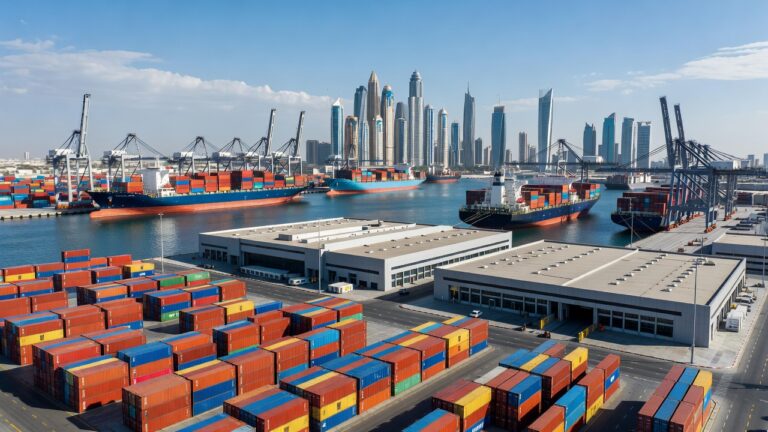
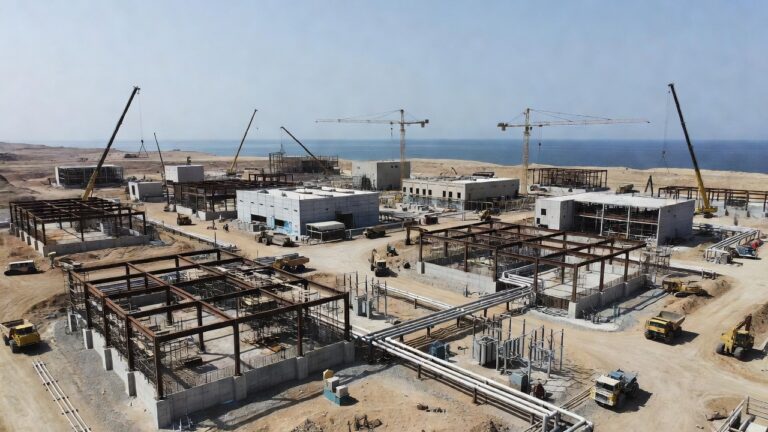
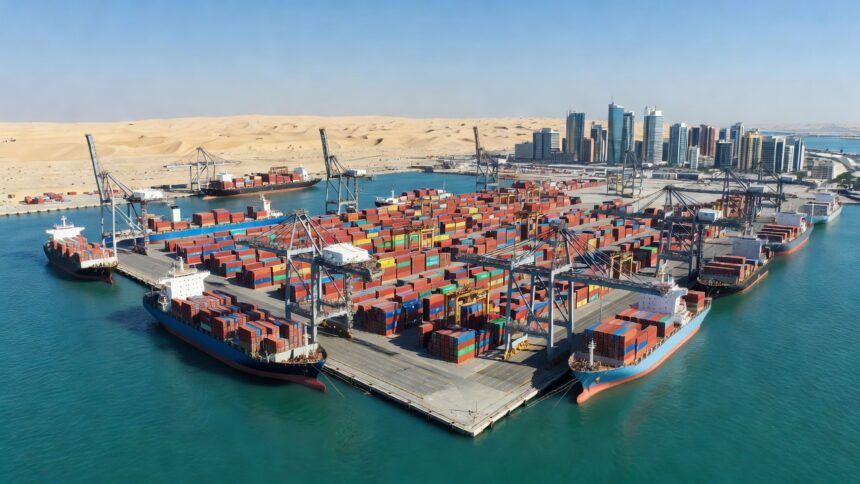
The dialogue outcomes issued by TRENDS Global and ORFME stressed that food security and energy security function as interlinked priorities, frequently among the first sectors destabilised by conflicts or pandemics. Participants advocated the creation of a fresh strategic connectivity model tailored to the Middle East that incorporates multimodal trade corridors, upgraded port and logistics facilities, safeguards for vital economic infrastructure and enhanced mechanisms for diverting commerce when conventional paths face blockage. These steps would enable the region to maintain flows of goods even amid persistent instability.
Policy recommendations from the August 20 gathering, according to TRENDS Global and ORFME, call for treating energy and food security through a unified strategy that diversifies supply routes, expands strategic reserves and stocks, broadens sourcing options and channels investment into every link of the food production chain. The document further urges development of backup land, air and sea pathways that extend past oil commerce to encompass non-oil manufactured exports together with critical food imports. Economic diversification programmes should be adjusted to assign higher priority to securing supply chains, expanding local manufacturing, cultivating human capital and advancing skills and technology.
World Bank data released in June 2026 shows the Middle East conflict has pushed global growth to its slowest pace in years while MENA economies are projected to expand by just 1.6 percent this year before climbing to 5.0 percent in 2027 as trade normalises and reconstruction spending accelerates. Gulf states most exposed to the fighting are expected to register growth near zero in 2026 after 3.9 percent the previous year. The bank’s analysis aligns with the dialogue’s emphasis on post-conflict measures that protect connectivity and reduce vulnerability to external shocks.
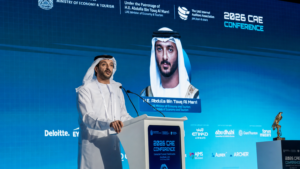
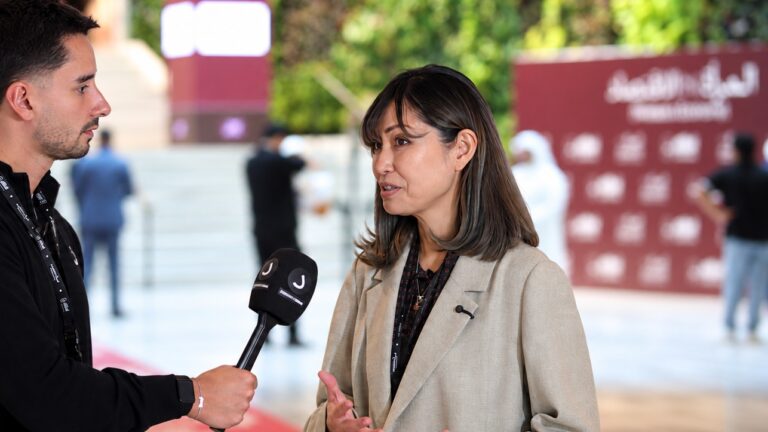
Ahead of the event Awadh Al Breiki, director-general of TRENDS Global, said the dialogue aimed to resolve the economic predicament confronting Global South and MENA countries after the US-Israeli-Iranian conflict by designing a framework that reconciles global market integration with national security imperatives. Dr. Samir Saran, president of ORFME, stated that cooperation among think tanks strengthens their ability to understand complex issues and deliver in-depth, forward-looking analysis through interactive sessions and open dialogue among experts and researchers. The partnership builds upon earlier joint work addressing evolving challenges across the region.
Earlier World Bank reports on MENA reconstruction have underlined that post-conflict recovery must rebuild inclusive institutions alongside physical infrastructure to support long-term stability. The bank has identified enhanced connectivity as a catalyst for economic expansion that forges people-to-people links and spreads innovation across borders spanning three continents. These observations reinforce several of the practical steps outlined in the TRENDS Global and ORFME recommendations.