ع





The Ministry of Economy and Finance announced the two-month extension of the fuel tax cut scheme during an economy-related ministers’ meeting chaired by Finance Minister Koo Yun-cheol. The decision comes as the existing reductions were scheduled to expire at the end of September. Yonhap News Agency reported that the move seeks to ease costs for households and industries facing potential spikes in international oil prices.
Current tax reductions stand at 15 percent for gasoline and 25 percent for both diesel and butane under the extended policy. The ministry placed greater emphasis on maintaining larger cuts for diesel, which powers industrial and logistics activities, along with butane commonly used in small trucks. These measures are projected to lower per-liter costs by 122 won for gasoline, 145 won for diesel and 51 won for butane when value-added tax is included.
The finance ministry stated in a release, “We have decided to maintain the current tax cut scheme, considering the country’s capacity to address a possible increase in oil price volatility.” Officials also arranged for highway gas stations to offer an additional 100 won per liter discount during the Chuseok holiday period from September 24 to 27. The Korea Herald reported that the government will revise relevant enforcement decrees to implement the changes following cabinet approval.
This extension follows a similar decision in July 2026 that prolonged the cuts through September, according to earlier statements from the same ministry. Reuters noted that prolonged geopolitical uncertainties in the Middle East have driven recent rises in Brent crude and WTI prices above 100 dollars per barrel at points in September. The finance minister further directed daily monitoring of crude supply in coordination with the refining industry.
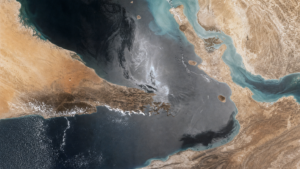
The International Energy Agency assessment found that oil continues to represent the largest component of South Korea’s total energy supply, with consumption trending upward since the late 2000s particularly in naphtha for petrochemicals. World Bank trade data placed the country’s crude oil imports at more than 85 billion dollars in 2024, sourced primarily from Saudi Arabia, the United States, the United Arab Emirates and Iraq. The IEA analysis highlighted that nearly all crude arrives via tanker shipments, leaving the economy exposed to disruptions along key routes such as the Strait of Hormuz.
Finance Minister Koo Yun-cheol pledged diplomatic efforts to diversify import sources and maintain strategic oil reserves during the ministers’ meeting covered by Yonhap News Agency. The government has secured alternative supply arrangements in response to past volatility, including volumes routed outside affected waterways. Such steps form part of an emergency response framework that includes demand restraint options if shortages intensify.