
 ع




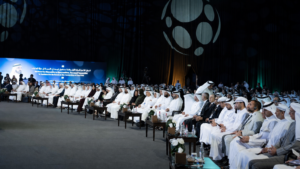
The Arabian Travel Market 2026 brought travel industry leaders together to assess the rising significance of the Asia-GCC tourism corridor, according to organisers RX Global. Discussions centered on how visa liberalisation and improved connectivity could establish the route as a key driver of future sector expansion throughout the Middle East. Oxford Economics data presented at the exhibition showed that overnight visitors from Asia-Pacific to GCC states reached nearly 165 million in 2025. This figure reflects growth of more than 160 percent in six years despite the intervening global pandemic.
Aaron Goldring, Senior Economist at Oxford Economics, provided context on the robust expansion during a panel session. He noted significant contributions from core markets such as India along with steady gains from China. Gulf destinations now hold strong potential to attract rising numbers of middle-class travellers from across Asia, the economist added.
Waad Melliti, Senior Business Manager at the World Tourism Cities Federation, outlined the effects of reciprocal visa policies on flows in both directions. China has maintained comprehensive visa-free arrangements with every GCC member state since 2018, resulting in arrivals from the bloc exceeding 150,000 last year. That total marked a 100 percent increase on 2024 levels with Saudi Arabian visitors rising 110 percent and those from the UAE climbing 113 percent. These trends demonstrate substantial appetite among GCC residents for travel to Asian destinations.
Danielle Curtis, Regional Portfolio Director at RX Global, underscored the mutual benefits for both regions. “The Asia-GCC corridor clearly represents a huge opportunity for the travel and tourism industry,” she said. Public and private sector initiatives to promote seamless travel will generate continued rewards as visitor interest in the Middle East and Asia-Pacific grows.
The exhibition which ran from September 14 to 17 at the Dubai World Trade Centre coincided with several notable industry launches and partnerships. Dubai introduced its unified Visit UAE national tourism brand while Emirates secured 11 memoranda of understanding to expand routes and collaborations. Rotana Hotel Group revealed a development pipeline of 40 properties containing more than 8,300 keys many of them in Saudi Arabia. A consortium also disclosed plans for a new Saudi airline to begin flights on September 20 connecting Dammam with key domestic cities.
Broader ATM 2026 sessions incorporated forecasts from multiple research bodies on sustained regional momentum. The associated Travel Trends Report anticipates that outbound spending by Middle East residents will surpass 60 billion dollars annually by 2030 with consistent 6 percent yearly growth. Such projections reinforce the strategic importance of initiatives highlighted throughout the event.