ع




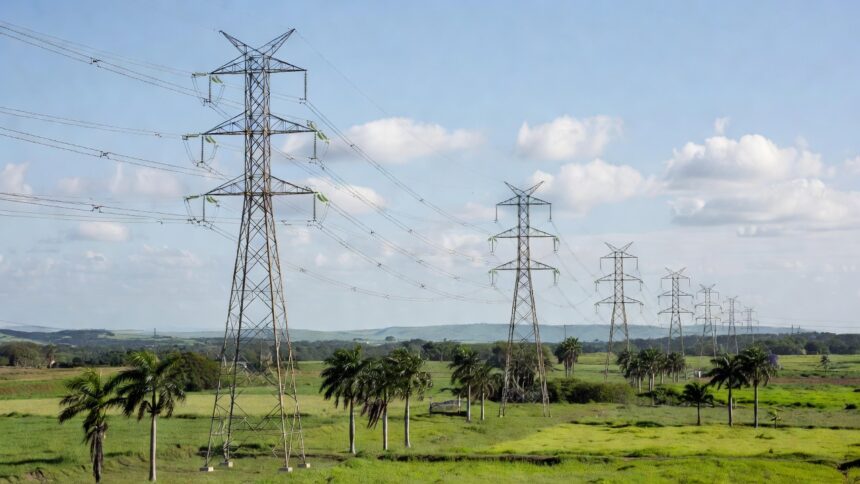
The state-run Cuban Electric Union reported a total nationwide blackout after a major failure in the electrical system, according to the Emirates News Agency. Authorities have activated emergency protocols to restore power starting with isolated circuits in an effort to rebuild the grid incrementally. This latest incident follows a pattern of widespread outages that have intensified this year, disrupting daily life for the island’s residents. The Ministry of Energy and Mines confirmed the collapse while emphasizing that crews are working around the clock to address the issue.
Cuba produces only about 40 percent of the fuel it needs for electricity generation and depends heavily on imports that have been curtailed by external pressures, a Reuters assessment found. The U.S. oil blockade implemented earlier in 2026 has strangled supplies from key partners including Venezuela, according to multiple reports from the news agency. Aging power plants constructed decades ago have compounded vulnerabilities, with several units already offline before the full grid failure. Fuel deliveries from tankers have been delayed by weather and policy shifts, leaving plants starved of resources.
Previous island-wide blackouts struck in March, May and July of this year, each triggered by similar shortages and infrastructure breakdowns, AP News data shows. The population of nearly 11 million has endured controlled outages lasting up to 30 hours on a routine basis, yet total collapses halt public transportation, water pumps and hospital operations. One resident told AP News, “We’re without power again. Now we have no water, no gas, nothing until they restore it.” Officials have canceled thousands of surgeries and seen food stocks spoil in the absence of refrigeration during these events.
Energy Minister Vicente de la O Levy posted on social media that restoration of the National Electric Power System is underway in a complex situation amid daily difficulties. The minister’s statement came after protests linked to energy shortages erupted in several areas over the preceding weekend. Transmission problems rather than a single plant failure appear to have driven the most recent collapse, according to initial assessments shared with Reuters. Long-term recovery will require addressing obsolete equipment that has received minimal maintenance for years.
The repeated blackouts have reduced work hours across sectors, spoiled perishable inventories and strained the broader economy, Reuters reported. Tourism and trade activities have faced setbacks as unreliable power deters visitors and interrupts supply chains for exports. Cuba’s cash-strapped government has sought spot-market fuel at higher costs after traditional suppliers cut shipments, further pressuring public finances. International observers have tracked how these energy shortfalls have deepened financial challenges on the island.
Russia and Mexico have scaled back oil exports to Cuba in recent months, forcing greater reliance on limited domestic production, a Reuters review of supply data indicated. One tanker from Mexico discharged fuel in January but reserves were exhausted within weeks, contributing to the cycle of instability. Restoration efforts could extend over multiple days if transmission lines require extensive repairs, officials noted. The grid operator continues to provide updates as clusters of power return to affected provinces.