ع




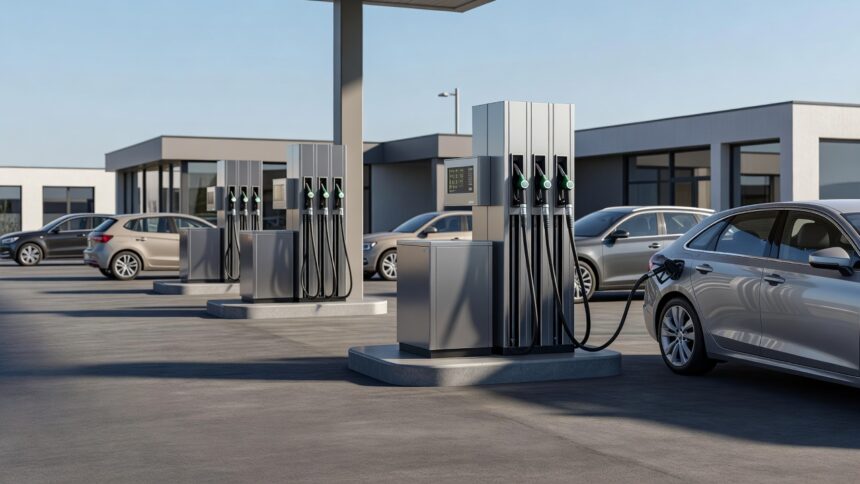
The German federal government has decided to lower the energy tax on both petrol and diesel by 14 cents per litre from the beginning of October until the end of the year, a move that equates to roughly 17 cents per litre when value-added tax is factored in. This tax cut is projected to provide total relief of around 2.5 billion euros to citizens and the economy, shared between the federal government and the states, according to an announcement on the Bundesregierung website. The decision was made in coordination with state governments and coalition parties in the Bundestag and responds to a roughly 30 percent rise in global oil prices caused by conflict in the Middle East and disruption to the Strait of Hormuz shipping lane, the Federal Government reported.
The measure follows an earlier tax reduction that was in force from May to the end of June 2026, which an assessment by the independent Monopolies Commission and the Bundeskartellamt found had largely been passed on to consumers and had successfully mitigated price peaks during a period of particularly high fuel costs. Since the previous discount expired on July 1, fuel prices risked increasing by the full 17 cents without intervention, data from the Federal Statistical Office indicate. The latest package also builds upon April measures that restricted fuel price increases at petrol stations to once per day at noon, while permitting reductions at any time to improve market transparency.
Chancellor Friedrich Merz said anyone who depends on their car every day is reaching their limit under the current pressures. “We are acting quickly and have a clear roadmap for 2027. We are showing that we are resilient in the crisis and helping citizens. The relief of at least 2.5 billion euros is no trifle in times of strained budgets. All the more I am pleased at how quickly we put this package together. This is a strong signal for our country,” Merz stated in the government announcement. The chancellor emphasised that the coalition had moved swiftly to assemble the support package.
According to the German Federal Statistical Office, developments in consumer prices, particularly for household energy and fuels, have placed a significant burden on private households throughout 2026. The office’s review of relief measures implemented in response to various global events underscores the ongoing challenge posed by energy costs. Its figures show that the earlier fuel discount helped moderate the increase in consumer price indices during the spring of 2026.
Looking ahead, the government intends to engage with the mineral oil industry with the aim of introducing a temporary fuel price cap starting January 1, 2027, similar to models used in Luxembourg and Belgium. This forms part of continued efforts to stabilise prices beyond the current tax reduction period. The strengthened role of the Federal Cartel Office in addressing unfair pricing practices remains a key component of the overall strategy, the authorities noted.
The combined measures reflect actions by German authorities to address geopolitical impacts on energy markets that have driven up costs. With the new tax cut scheduled to take effect next month, motorists can expect lower prices at the pump in the final quarter of the year. The total relief package has been calibrated to support both individual consumers and broader economic activity, a Bundesregierung assessment found.