ع




IDC reports indicate Huawei captured 60 percent of China’s foldable smartphone market in the first quarter of 2026, with Honor taking 21 percent and the remaining brands sharing the rest. Omdia data shows the company held 57 percent of global shipments in the first half of 2026, well ahead of Samsung at 18 percent. These figures reflect how Huawei’s focus on innovative designs has translated into market dominance.
Huawei’s introduction of the Pura X Max wide foldable in 2026 has driven interest in new form factors that prioritize landscape viewing and productivity, Omdia principal analyst Zaker Li stated. The device has contributed to forecasts that foldable shipments will reach 22 million units by the end of 2026 and could hit 36 million by 2028. Traditional flip-style foldables have seen declining popularity as consumers favor the enhanced usability of wider and multi-fold models.
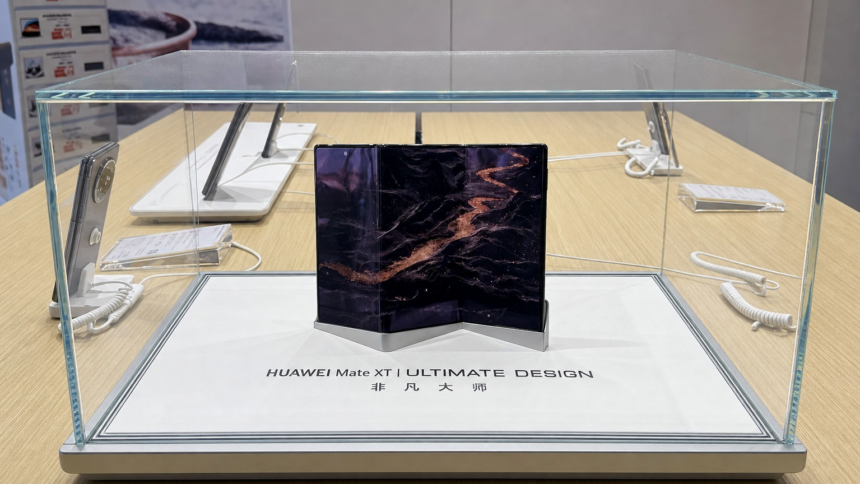
In August 2026 Huawei unveiled the Mate XT 2 with a revised inward-folding mechanism that improves durability and display protection compared with the original tri-fold, Notebookcheck reported. The update includes a dedicated outer screen for everyday tasks and supports high-end configurations with up to 16 gigabytes of RAM. Pre-orders in China opened immediately, underscoring demand for the refined technology.
The company has filed patents for a vertical tri-fold design resembling an upgraded flip phone, which could further influence future products across the industry, according to documents analyzed by PostFast. Samsung’s development of its own tri-fold device mirrors aspects of Huawei’s approach, indicating the competitive response to the leader’s innovations. Additional manufacturers are exploring similar wide formats, expanding the category beyond its initial limitations.
A 36Kr report highlighted that after eight years of development, foldable screens have reached a tipping point where usability improvements are finally addressing early shortcomings in creases, bulk and application support. Huawei’s full-stack control from hardware to its HarmonyOS and app ecosystem has given it an advantage in delivering practical devices. This comprehensive strategy has set a benchmark that other brands are now striving to match.
Huawei spent substantial resources on research to overcome technical barriers in folding mechanisms and materials, enabling it to lead rather than follow market trends. The rotation of different foldable types has prevented competitors from easily catching up, a July 2026 industry leak suggested. As a result, the foldable segment is transitioning from niche experimentation to broader mainstream adoption in key markets like China.