ع




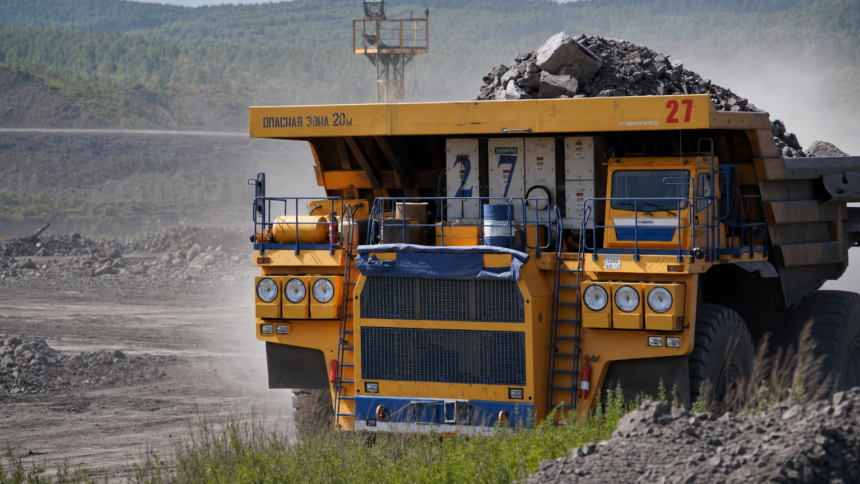
The Russian government has approved an updated program for coal industry development through 2050 that targets production of 662 million tonnes in the final year, up from 443 million tonnes in 2024. This target scenario would deliver a 49 percent expansion in output, according to the document published this week. Russia plans to increase coal production to 662 million tonnes by 2050 while also boosting exports to 350.1 million tonnes over the same timeframe.
The target scenario includes intermediate milestones of 530.1 million tonnes in 2030 and 595.2 million tonnes in 2036, the program indicated. The government noted that the country holds more than 273 billion tonnes of proven reserves, giving it significant scope to meet both domestic needs and international demand. Production has been concentrated in the Kuznetsk basin, which supplied around 65 percent of the total in recent years.
The program presents four scenarios ranging from stress to target, with the conservative path forecasting 460.8 million tonnes by 2050 and the inertial one 586.4 million tonnes, according to an Enerdata assessment published on September 25. A stress case would see production fall to 318.9 million tonnes by mid-century. These projections factor in variables such as global prices, sanctions and technological advances.
Implementation will proceed in three phases, starting with structural changes and state support for diversification until 2030, according to the official outline. The middle phase through 2036 will emphasize rational coal utilisation and preparation for new technologies. The concluding period to 2050 focuses on leveraging competitive edges through modern solutions and cross-sector collaboration.
Future growth is slated to come increasingly from Eastern Siberia and the Far East, regions closer to key Asia-Pacific markets, the program stated. The share of these areas in national output is expected to rise from 48.3 percent in 2024 to as much as 57 percent by 2050. Meanwhile, the Kuzbass contribution is projected to decline gradually.
The government has indicated that the strategy will involve updating production capacities, integrating new mining sites and creating additional coal centers. More than half of current coal output is directed to power plants, with the remainder serving industrial and export purposes. The plans arrive as the sector seeks to recover from recent annual declines averaging 1.7 percent since 2021.