ع




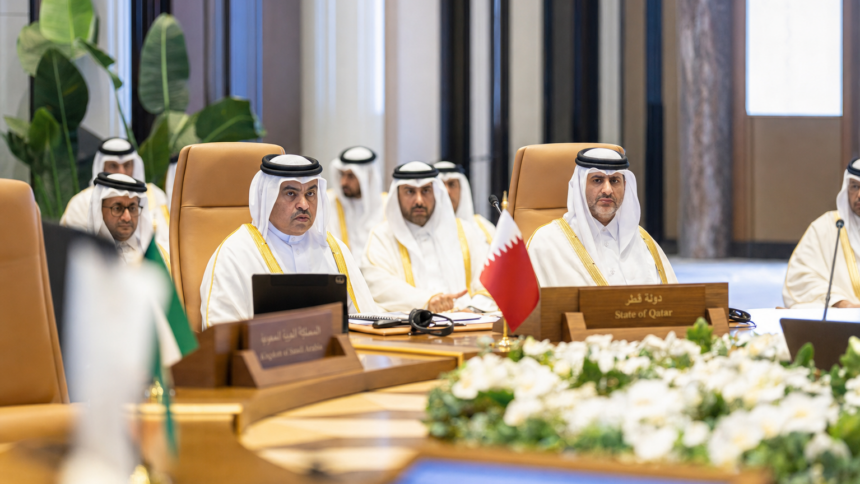
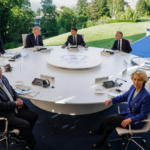
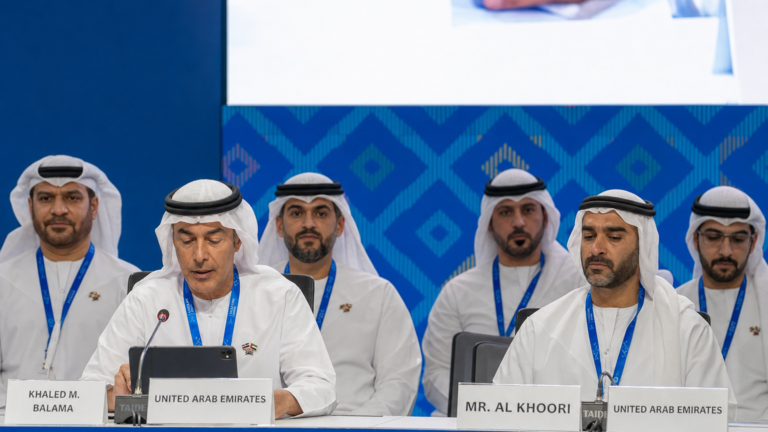
The joint meeting of GCC Ministers of Finance and Economy and Central Bank Governors with International Monetary Fund Managing Director Kristalina Georgieva took place in Manama on October 1 2026 the GCC Secretariat said. Bahrain’s Minister of Finance and National Economy Shaikh Salman bin Khalifa Al Khalifa chaired the session. GCC Secretary General Jasem Mohamed Albudaiwi participated in the discussions focused on fiscal priorities sustainable growth diversification and financial stability.
In his address to the meeting Albudaiwi underlined that the IMF commended the resilience of GCC economies the economic and financial measures implemented amid current conditions and their ability to sustain growth momentum despite heightened global uncertainty according to the GCC Secretariat. “We meet today as our region navigates a highly complex economic and geopolitical landscape” Albudaiwi said. “Disruptions across energy production shipping logistics and trade have once again demonstrated how swiftly geopolitical developments impact our economies and global markets.”
Despite these headwinds GCC economies have demonstrated robust macroeconomic and fiscal resilience through years of prudent economic policies strong financial buffers resilient banking systems and strategic investments in infrastructure connectivity and economic diversification Albudaiwi stated. The secretary general emphasised that the immediate priority lies in safeguarding macroeconomic and fiscal stability while ensuring policies remain agile responsive and aligned with rapid developments. He highlighted ongoing efforts to enhance fiscal sustainability develop financial risk management tools improve public spending efficiency and diversify revenue sources.
GCC states have maintained robust economies supported by effective fiscal and economic policies ambitious diversification programs and advanced frameworks for joint coordination the GCC Secretariat reported. The bloc’s combined gross domestic product reached about $2.4 trillion placing it among the world’s 10 largest economies according to figures cited by Albudaiwi. Non-oil activities accounted for around 79 percent of GCC GDP reflecting progress in economic diversification.
Net foreign assets held by GCC central banks reached about $829 billion by the end of June 2026 sufficient to cover around 11 months of the bloc’s imports Albudaiwi noted in his remarks. GCC states also maintained stable inflation levels with the Gulf-wide rate standing at around 2.1 percent in May 2026 despite current economic challenges. This rate remains lower than averages recorded by major economic blocs.
The discussions examined measures to sustain growth advance economic diversification and support technological innovation while maintaining financial and economic stability according to Economy Middle East. The IMF has called for closer fiscal and monetary coordination to strengthen resilience with any support measures being temporary targeted and transparent. GCC commercial bank assets surpassed $4 trillion by the end of June 2026 up 3.9 percent from the end of 2025 while deposits reached approximately $2.45 trillion an increase of 6 percent GCC data released in September showed.