 ع
ع


According to Deloitte’s March 2026 MEcon report, Saudi Arabia’s real GDP expanded by 4.5 percent year on year in 2025 to SAR 4.9 trillion. Strong performance across multiple sectors supported the advance even as regional conflicts prompted adjustments in logistics and supply chain management. The kingdom introduced new initiatives to preserve shipment stability, the report noted. S&P Global and Moody’s have reaffirmed the sovereign ratings, signaling confidence in economic durability.
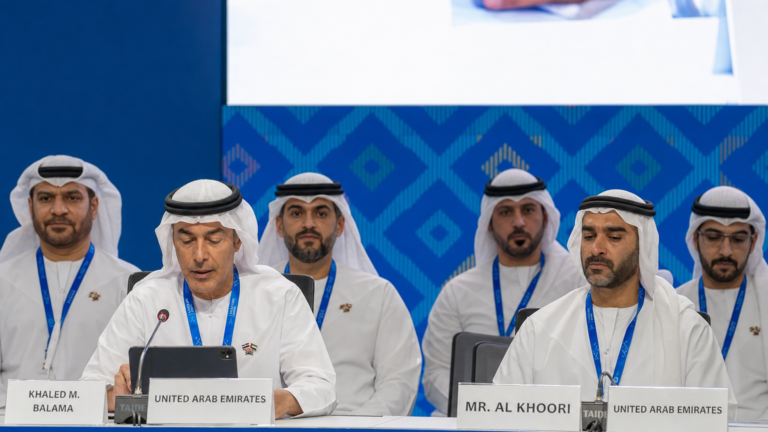
The report projected that the United Arab Emirates will sustain stable sovereign credit ratings through 2026 on the back of robust fiscal buffers and minimal public debt. Authorities have strengthened trade activities, extended liquidity assistance and maintained price vigilance in response to regional pressures. Diversification initiatives remain central to preserving competitiveness and long-term stability in the non-oil economy.
Qatar achieved 2.9 percent GDP growth in the third quarter of 2025, fueled primarily by non-hydrocarbon industries, Deloitte data showed. Disruptions to the LNG sector from recent escalations are likely to exert pressure on the fiscal balance in 2026. Fitch and S&P affirmed the nation’s investment-grade credit ratings, citing ample government financial assets together with planned expansions in LNG production capacity.
Regional economies have demonstrated resilience amid geopolitical strains, with non-oil sectors offering pathways for sustained expansion, the Deloitte monitor concluded. Governments across the Gulf continue to adapt policies to mitigate impacts on logistics, energy exports and broader supply chains. The focus on diversification has gained urgency as authorities seek to reduce reliance on hydrocarbon revenues.
World Bank figures project GCC economic growth to climb to 4.5 percent in 2026, supported by the rollback of oil production cuts and robust non-oil activity. An International Monetary Fund assessment from April 2026 placed Saudi Arabia’s growth at 3.1 percent for the year while noting adjustments for external pressures. The UAE forecast stood at 2.4 percent amid tightened regional conditions, according to the bank data.
Investment flows into diversified sectors have helped buffer against volatility, with credit rating stability providing a foundation for continued capital inflows, IMF data indicates. Qatar’s strategy to boost LNG capacity is positioned to restore export momentum over the medium term. These measures align with broader efforts to foster economic adaptability across the Middle East.