 ع
ع


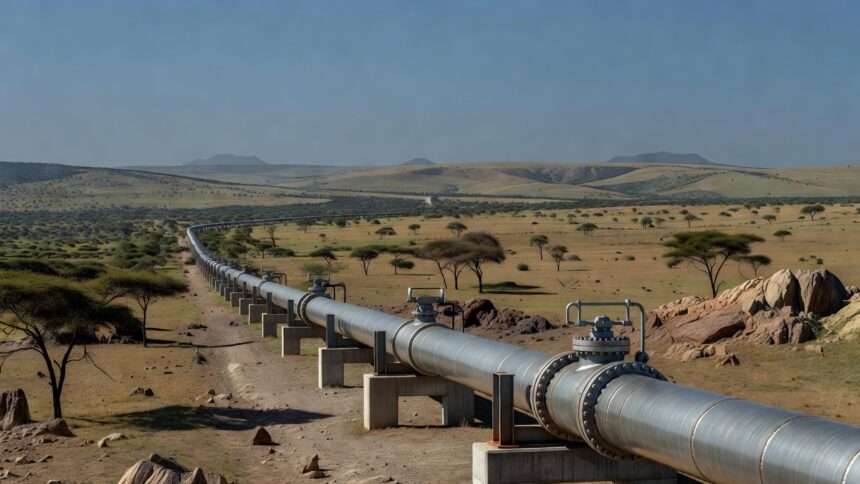
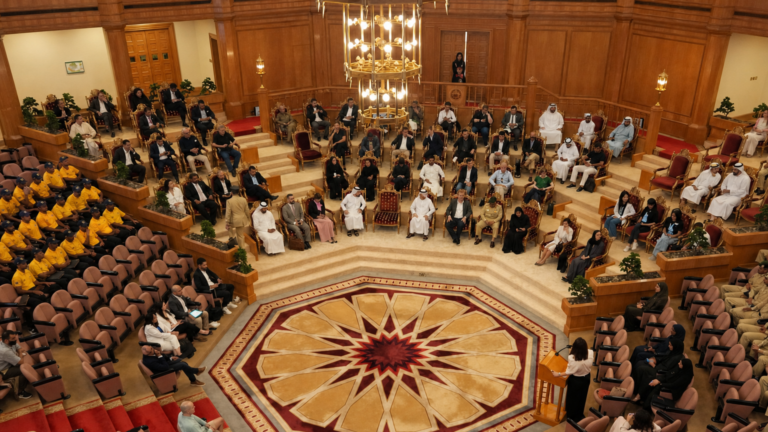
The Emirates News Agency reported that heads of state from the Economic Community of West African States gave their approval to the Nigeria-Morocco gas pipeline project at the gathering. The decision follows years of technical studies and diplomatic negotiations involving multiple nations along the proposed route. ECOWAS officials noted that the initiative will connect major gas reserves in Nigeria to consumers in West Africa and potentially extend supply lines toward Europe through Moroccan infrastructure. Regional cooperation on energy has gained momentum as member states seek to address power shortages and reduce dependence on imported fuels.
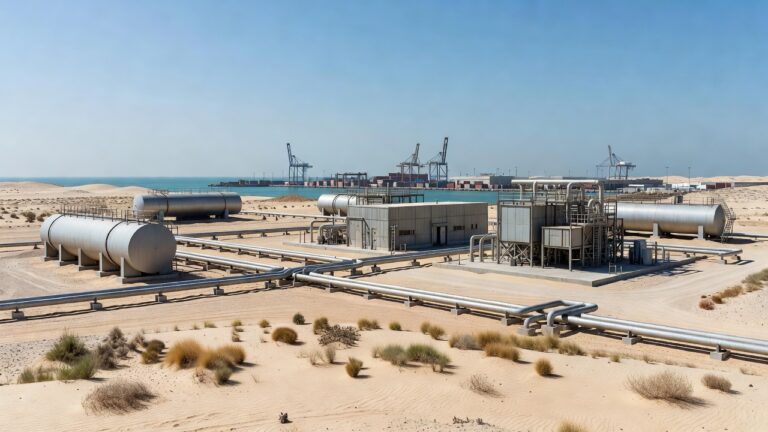
A feasibility assessment by the African Development Bank has projected the pipeline to stretch more than 5,700 kilometers through 11 countries while carrying up to 30 billion cubic meters of natural gas annually once fully operational. The bank has highlighted how such infrastructure could support industrial expansion in transit nations where energy access remains limited. Construction phases are expected to prioritize sections within Nigerian territory before moving northward, according to planning documents reviewed at the summit. Timelines call for initial gas flows by the early 2030s if financing and regulatory hurdles are cleared in a timely manner.
Nigeria holds an estimated 200 trillion cubic feet of proven natural gas reserves, according to OPEC data, positioning the country as a key supplier for the project. Moroccan authorities have pursued the pipeline to diversify energy imports and support renewable integration through gas-fired backup generation. The Emirates News Agency indicated that summit participants emphasized the project’s role in fostering economic integration under the African Continental Free Trade Area framework. Several memorandums of understanding have already been signed between Nigeria, Morocco and transit states to govern revenue sharing and security arrangements.
World Bank figures show that inadequate energy infrastructure costs sub-Saharan Africa roughly 2 percent of annual GDP in lost productivity, a gap the new pipeline could help narrow over time. The approval comes after earlier delays linked to security concerns in the Sahel region and fluctuating global commodity prices that affected investment appetite. ECOWAS leaders directed technical committees to accelerate environmental impact studies and community consultation programs along the route. Funding discussions are underway with multilateral lenders and private sector partners interested in the project’s long-term export potential.
The pipeline forms part of a wider West African energy strategy that includes power interconnections and renewable development, a regional energy commission report has detailed. Transit countries stand to gain transit fees and job opportunities during both construction and maintenance phases, according to economic models presented to the summit. The Emirates News Agency added that the heads of state called for coordinated efforts to mitigate risks ranging from terrain challenges to regulatory alignment across borders. Further ministerial meetings are scheduled to refine implementation roadmaps in the months ahead.
Investment requirements for the full project are estimated at $25 billion, according to preliminary cost breakdowns shared with ECOWAS members. The African Energy Commission has pointed to comparable regional pipelines that ultimately delivered returns through enhanced trade volumes and energy security. Leaders at the summit stressed the importance of inclusive governance structures to ensure benefits reach local populations in all participating states. Progress on the initiative will be reviewed at the next ordinary session of the ECOWAS Authority.