ع




The GCC Statistical Centre’s report on Strategic Tourism Ambition placed the combined direct and indirect value of GCC tourism at $254.7 billion for 2025, compared with a global total of $11.7 trillion. The centre’s assessment found that the sector sustained approximately 4.5 million jobs across the six member states against a worldwide figure of 371 million. Tourism’s shares of GDP, employment and growth rates in the GCC remained competitive with international benchmarks, according to the centre.
GCC-Stat data show that 75.7 million visitors arrived in the region last year, achieving 69.9 percent of the 2030 target of 128.7 million inbound tourists. Inbound spending climbed to $131.9 billion, representing 70.2 percent of the $188 billion goal and recording 9.7 percent growth from the previous year. The centre’s figures place average annual expansion in inbound expenditure at 17.5 percent between 2019 and 2025.
Domestic tourism spending reached $42.9 billion in 2025, covering 87.6 percent of the $49 billion 2030 target after 6.2 percent growth in the latest year, the report indicated. Direct GDP generated by travel and tourism stood at $101.7 billion, or 69.8 percent of the $145.8 billion objective, with 8.8 percent annual growth recorded between 2024 and 2025. The GCC-Stat report noted that average annual growth in direct tourism GDP over the 2019-2025 period reached 15.9 percent.
The sector’s contribution to overall GCC GDP rose to 4.6 percent last year, attaining 70.8 percent of the 6.5 percent target set for 2030, according to the centre. GCC-Stat data place the average annual growth rate of the tourism economy’s total contribution at 7.3 percent from 2019 to 2025, exceeding the global average of 6.7 percent. The region captured 5 percent of international tourist movements and 6.9 percent of global tourism revenues in 2025.
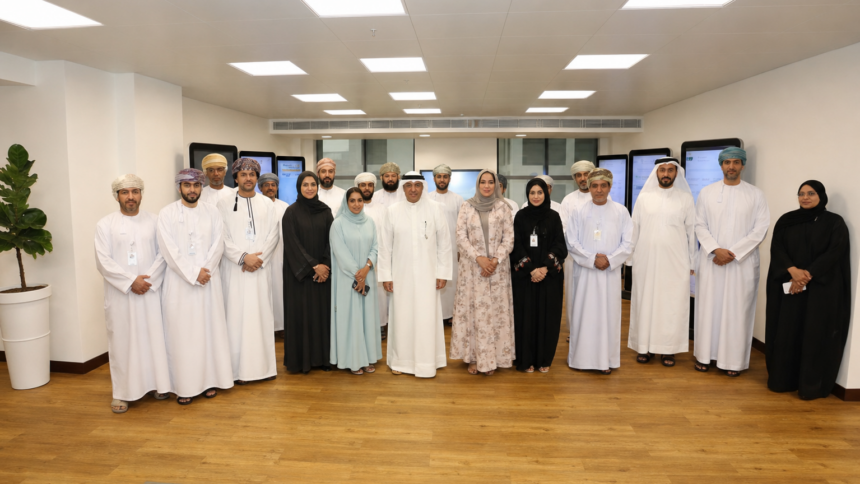
Progress toward the Gulf Tourism Strategy averaged 73.8 percent implementation through 2025, the GCC Statistical Centre reported during the eighth Regional Workshop on Innovation in Tourism Statistics in Muscat. The two-day event, organised by the centre at the end of August, convened officials and specialists from across the bloc to improve data integration and trend analysis. Intisar Al Wahaibi, director general of GCC-Stat, said sustained tourism growth had made the sector a central element of national development plans.
Al Wahaibi stressed that high-quality tourism statistics remain essential for tracking economic contributions, shaping investment decisions and supporting policy formulation across the GCC. The workshop underscored ongoing efforts to harmonise statistical methods and enhance the use of data in measuring the sector’s developmental role. GCC-Stat continues to update its tourism and culture platform with the latest indicators to inform regional planning.