 ع
ع


The International Energy Agency published an assessment on September 9 that reviews how countries can reinforce gas supply security in an era of heightened geopolitical risks and market complexity. The report titled Gas Reserve Mechanisms and Flexibility Options examines responses to two major supply crises within the past five years that challenged previous assumptions about reliable deliveries. It stresses that physical reserves combined with policy tools and commercial flexibility can mitigate short-term disruptions while longer-term diversification proceeds. The IEA stands ready to support governments in developing these frameworks through enhanced coordination.
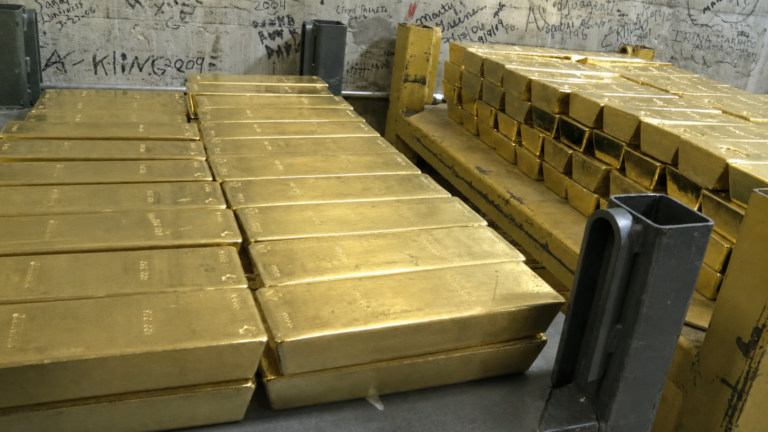
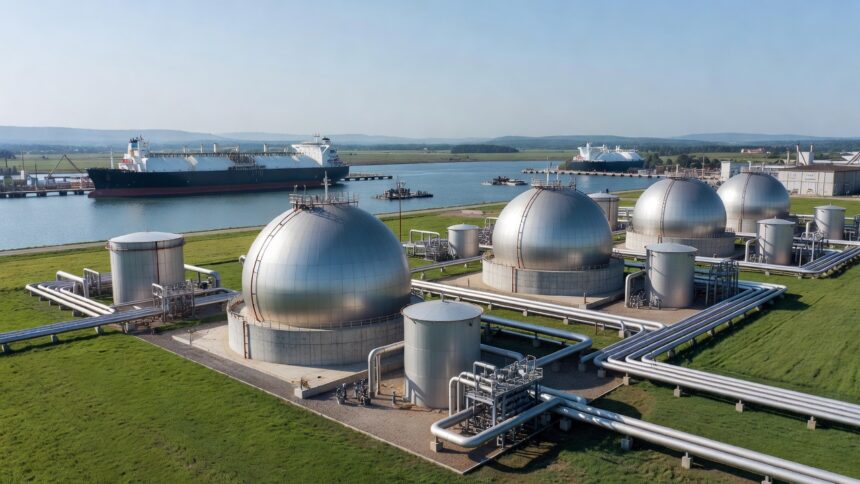
Physical gas reserves remain central to supply security according to the International Energy Agency analysis. These reserves can include underground storage facilities LNG tanks and floating storage units although effectiveness varies by region and country. The report notes that storage alone cannot address every potential disruption especially in nations with limited infrastructure or high seasonal demand swings. Governments are advised to evaluate their specific geographic and market conditions when expanding such assets over the next five years.
Policy-based reserve mechanisms offer additional layers of protection the International Energy Agency report found. Options include mandatory storage obligations strategic gas reserves and buffer LNG schemes that can be tailored to national circumstances. The assessment highlights potential innovations such as joint strategic reserves using existing infrastructure cross-border stockholding and pooled LNG call options for emergencies. These approaches draw on lessons from the IEA’s established oil security systems.
International cooperation must deepen to improve overall gas supply resilience the International Energy Agency stated. The report urges governments to increase transparency around reserve levels and market conditions conduct regular emergency response exercises and collaborate on LNG market flexibility. Voluntary international reserve arrangements could provide further safeguards during severe shortages. Such efforts would build on the agency’s permanent Working Party on Natural Gas established to address these evolving challenges.
Global gas markets have absorbed significant shocks since 2021 including reduced pipeline flows and heightened price volatility according to separate IEA data. European storage levels reached record highs ahead of recent winters while LNG trade expanded rapidly to offset traditional supply routes. The latest quarterly Gas Market Report also flags how Middle East developments have already led to a projected cumulative loss of 120 billion cubic metres of LNG supply between 2026 and 2030. These events underscore the urgency of the reserve and flexibility measures outlined in the new assessment.
Demand restraint policies have gained traction among net importers since the 2022 crisis the International Energy Agency review showed. More than 40 countries now maintain legislation enabling such measures with several enhancing rules in the past decade. Emerging markets in Asia are expected to account for the majority of future gas demand growth through the end of the decade making flexible contracting and regional buffers increasingly important. The agency recommends that policymakers prioritise diversified long-term contracts to limit exposure to spot market swings.
The International Energy Agency called for continued examination of voluntary reserve arrangements that pool resources across borders. Regular dialogue between producers and consumers can help align expectations and prevent future bidding wars during tight supply periods. The report concludes that stronger global gas security architecture will require sustained investment alongside these new mechanisms to handle both short-term shocks and structural market changes.