 ع
ع


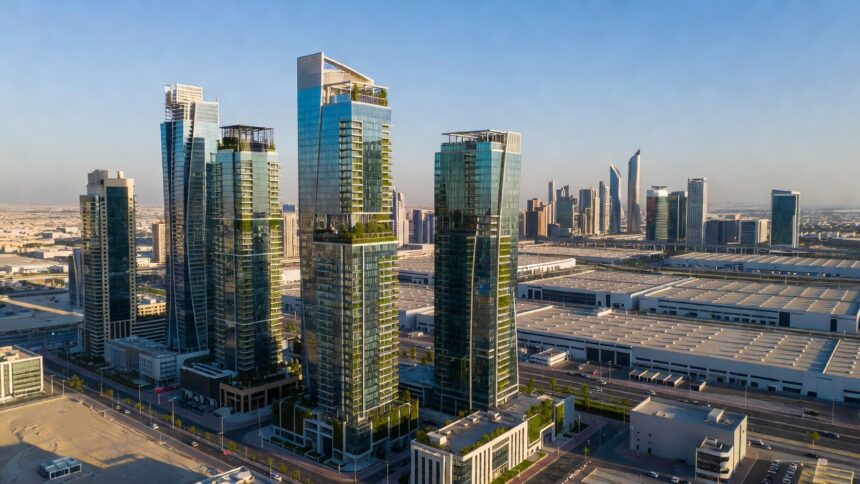
An analysis published in mid-June by Economy Middle East described a transition in regional real estate investment from broad structural growth that characterized the past five years to an emphasis on portfolio resilience, agility and future relevance. The piece identified the UAE, Saudi Arabia and Qatar as core markets underpinned by population increases, economic diversification programs, major infrastructure projects and sustained foreign capital inflows. Prime income-generating assets have continued to outperform more speculative developments during periods of heightened uncertainty while leveraged positions have faced added pressure from elevated interest rates.
Economy Middle East reported that participants must now conduct thorough assessments of concentration risks such as over-reliance on individual markets or capital appreciation while adjusting capital structures to accommodate higher borrowing costs. The review advocated following clearly identifiable structural demand drivers rather than pursuing indiscriminate capital deployment across property types. Such discipline enables portfolios to maintain performance through market cycles that have grown more volatile in recent quarters.
A Mordor Intelligence assessment found that the GCC warehousing and distribution logistics market is expected to expand from 14.45 billion dollars in 2025 to 20.94 billion dollars by 2031 at a compound annual growth rate of 6.34 percent with Saudi Arabia accounting for more than 40 percent of that revenue. The mid-June analysis pointed to strong prospects in logistics facilities as well as targeted housing segments including student accommodation, build-to-rent properties and workforce housing linked to growth in healthcare and education. Operational real estate that depends on skilled operators, superior customer experience and consistent recurring revenue has assumed greater importance within diversified holdings.
According to the Economy Middle East review a balanced geographic approach that combines Dubai’s role as a gateway for international talent and capital with Riyadh’s momentum from public spending and Doha’s relative stability through established infrastructure can reduce overall exposure. Sustainability features such as energy-efficient buildings and smart operations together with technology-enabled assets including data centers and AI-supported infrastructure will distinguish portfolios over the next decade. The analysis concluded that tomorrow’s holdings will differ markedly from those assembled during the prior phase of rapid expansion.
IMARC Group figures show the broader Middle East real estate market reached 420.5 billion dollars in 2025 and is projected to attain 849 billion dollars by 2034 while growing at a compound annual rate of 8.12 percent on the back of non-oil sector development and continued infrastructure spending. Deloitte Middle East perspectives referenced in related sector discussions have similarly stressed the need for curated approaches across Saudi Arabia, the UAE and Qatar that balance income focus with adaptability to evolving investor sentiment. The combination of these elements supports selective capital allocation that can capture opportunities while limiting downside in an environment of geopolitical reshaping and more cautious funding flows.
Savills forecasts for 2026 indicate that high migration levels and pro-business policies will sustain demand for prime residential and office space in the UAE even as residential supply increases in Dubai with approximately 200,000 units expected over the next three years. The Economy Middle East analysis reinforced that success in the coming period will reward those who maintain flexibility to adjust allocations as conditions evolve rather than adhering to outdated growth models. This forward-looking stance aligns with wider regional efforts to strengthen real estate’s contribution to diversified economies across the Gulf.