 ع
ع


Qatar National Bank projected in its weekly report that the military escalation between the United States and Iran will continue to weigh on fiscal positions, foreign exchange reserves and food security for most frontier and emerging Asian economies well after any resolution. According to the bank, central banks across Asia must navigate a challenging task of supporting slowing economic growth while containing mounting inflationary pressures triggered by the energy disruption. QNB noted that the crisis will not fully subside until regional supply chains, strategic reserves and price levels return to normal, a process that could extend for months.
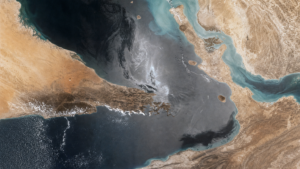
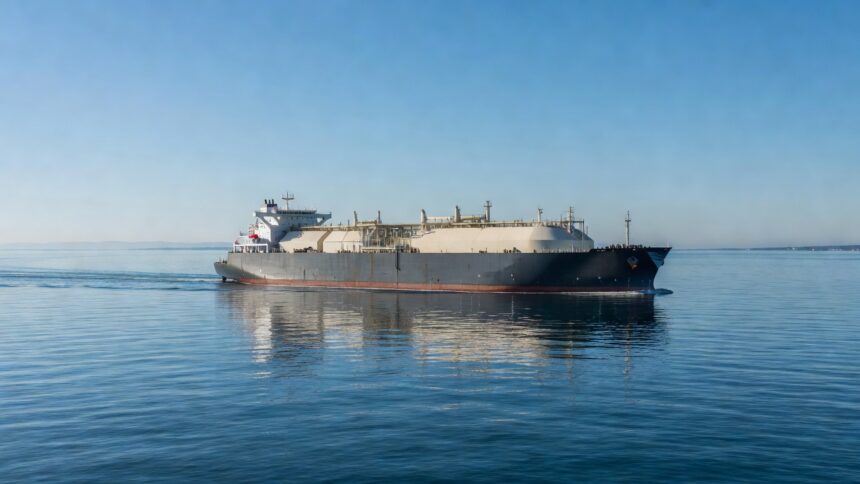
In the report titled QNB: Asian Central Banks Face Inflation-Growth Dilemma Amid US-Iran Crisis, the bank described the closure of the Strait of Hormuz as one of the largest disruptions to global energy supplies in history, interrupting around one-fifth of worldwide oil and liquefied natural gas trade flows. Brent crude prices climbed to a peak of $118 per barrel before retreating below $80 in mid-June amid ceasefire signals, even as global oil inventories fell rapidly. The US Energy Information Administration data places typical flows through the strait at roughly 20 percent of global petroleum liquids consumption, underscoring Asia’s acute exposure.
Asia relies on the waterway for approximately 80 percent of its crude oil imports and 90 percent of its LNG imports, leaving the region among the most vulnerable to the shock, QNB reported. Governments responded with emergency steps unseen since the COVID-19 pandemic, including fuel rationing, four-day work weeks, reactivation of coal-fired power plants and record withdrawals from strategic petroleum reserves. The bank warned that such measures have heightened concerns over persistent inflationary pressures throughout the region.
Japan and South Korea maintain reserves equivalent to about 30 weeks of supply, while China benefits from alternative energy routes bypassing the strait and heavy reliance on domestic coal, according to the QNB assessment. In contrast, economies such as India, Vietnam, Singapore, Bangladesh, Pakistan and Sri Lanka hold stocks sufficient for only 30 to 90 days and possess limited foreign exchange reserves along with constrained fiscal space that hinder their ability to absorb the external shock. The report examined how these disparities leave many emerging markets with fewer policy tools than their more advanced neighbors.
The energy shock transmits inflation through three mutually reinforcing channels, QNB explained in the analysis. Direct pass-through from higher oil and gas prices has lifted fuel, electricity, transportation and shipping costs across the region, while disruptions to petrochemical supplies have driven up fertilizer prices and threatened food security particularly in South and Southeast Asia. Currency depreciations stemming from deteriorated trade balances and capital outflows have compounded import-price inflation beyond the initial energy cost increases.
Regional inflation is now forecast to average 5.2 percent this year, rising from 3.0 percent in the previous year, the bank stated. An International Monetary Fund review in April 2026 found that higher oil and gas prices are pushing up inflation, widening trade gaps and limiting government responses across Asia and the Pacific. QNB expressed cautious optimism over a reported US-Iran agreement yet stressed that Asian production and trade patterns are unlikely to normalize until early next year as clearing operations, logistics restoration and facility restarts require sustained effort.