ع




The Ministry of Data and Statistics reported that the consumer price index reached 120.43 in September, reflecting a 0.3 percent gain from the prior month and a 2.9 percent increase from a year earlier. This slowdown from the previous month’s 3.1 percent rise brought annual inflation back into the 2 percent range after it had climbed as high as 3.2 percent in June. Core inflation, which excludes volatile food and energy costs, advanced 2.8 percent on the year, down from 3.4 percent in August, the ministry’s assessment found.
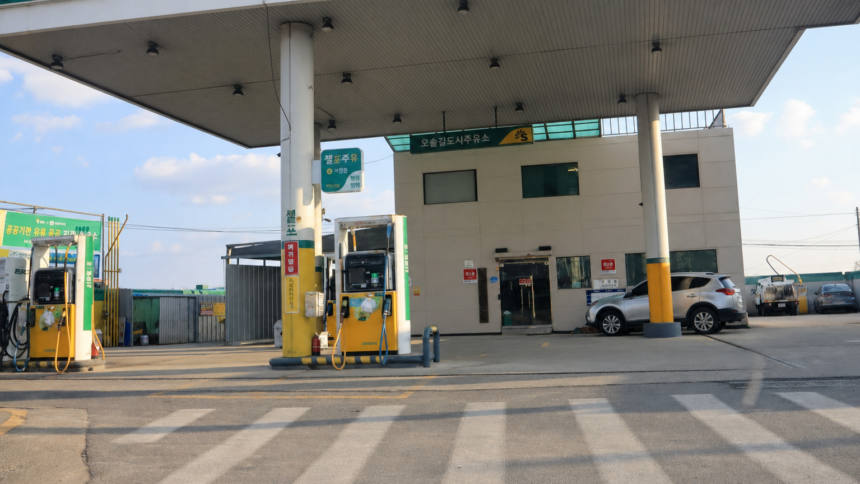
Petroleum product prices jumped 14.8 percent year on year amid prolonged geopolitical tensions in the Middle East, the ministry’s data showed, with diesel increasing 20 percent and gasoline rising 11.8 percent. The finance ministry stated that its fuel price cap had trimmed the headline inflation figure by 0.6 percentage point. Agricultural, livestock and fishery product prices fell 0.3 percent, led by a 9.2 percent drop in napa cabbage prices and a 15.2 percent decline for apples.
Industrial product prices rose 4.2 percent from a year earlier while electricity, gas and water costs increased 0.4 percent, according to the September breakdown. Service prices gained 2.7 percent on the year, slowing from August, with insurance premiums up 13.4 percent and overseas package tours advancing 19.3 percent. Food and non-alcoholic beverage prices climbed 1.0 percent annually after a decrease in the prior month, the ministry’s figures show.
The Bank of Korea has raised policy rates twice in its recent meetings while noting that inflation is expected to stay above the 2 percent target for some time, Reuters reported. Economists in a Reuters poll had anticipated the 2.9 percent September reading, which aligned with the outcome and may support arguments for additional tightening. The data follows a year in which inflation fluctuated, starting near 2 percent in early months before accelerating mid-year.
South Korea depends heavily on energy imports, which exposes its consumer prices to global oil market volatility, Yonhap News Agency reported. The government implemented targeted measures to stabilize farm prices ahead of the Chuseok holiday, helping drive the annual decline in those categories. The finance ministry attributed the overall moderation to these policy actions combined with lower produce costs.
The ministry’s historical data showed inflation at 2.8 percent in July before the August uptick, with the index excluding agricultural products and petroleum rising 2.7 percent on the year in September. Month-over-month changes varied across categories, as some segments posted gains while others recorded contractions. The report provides a detailed view of expenditure shifts that influenced Korea’s consumer prices up 2.9% in September.