ع




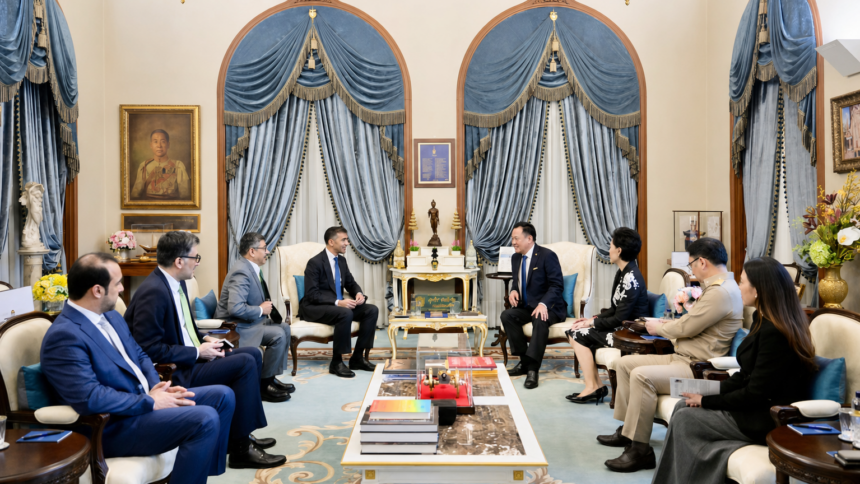
The UAE Ministry of Foreign Trade announced the successful conclusion of Comprehensive Economic Partnership Agreement negotiations with Thailand during a meeting in Bangkok on Thursday, according to Emirates News Agency. Minister Dr. Thani bin Ahmed Al Zeyoudi joined Thai Prime Minister Anutin Charnvirakul and Deputy Prime Minister and Commerce Minister Suphajee Suthumpun for the announcement, with UAE Ambassador Obaid Saeed Al Dhaheri also present. The pact targets reduced trade barriers and improved market access once signed, ratified and implemented, with both sides now focused on completing legal and technical steps. Thai officials indicated the formal signing could occur in early 2027, making Thailand the first Middle Eastern partner for such an accord.
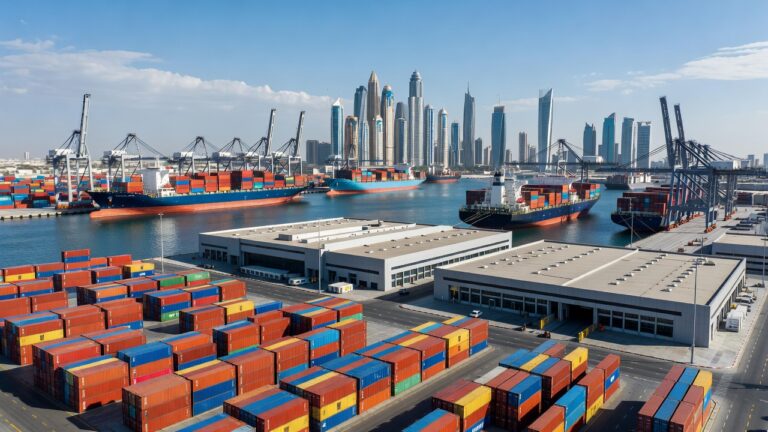
Non-oil trade between the two countries reached $12.3 billion in 2025, a 65.2 percent increase from the prior year, Emirates News Agency figures show. That momentum accelerated in the first six months of 2026 with flows hitting $10.2 billion, up 75.4 percent on the same period a year earlier. UAE non-oil exports to Thailand stood at $4.5 billion last year while imports totalled $7.2 billion, driven by gold, aluminium products and industrial goods from the Emirates alongside Thai agricultural and consumer items. The rapid expansion reflects growing commercial ties that the new agreement aims to reinforce further.
Once in force the CEPA will accelerate trade flows and unlock investment opportunities in advanced manufacturing, logistics, food security, digital trade, renewable energy and precious metals, the UAE ministry stated. Al Zeyoudi described Thailand as one of the most dynamic and diversified economies in the region, adding that the agreement will open new avenues for companies, investors and entrepreneurs in both countries. The partnership builds on the UAE’s broader CEPA programme, which has produced more than 35 such accords since 2021 and contributed to record non-oil foreign trade volumes.
UAE non-oil foreign trade reached a record AED1.937 trillion in the first half of 2026, rising 13.1 percent year on year, according to Ministry of Foreign Trade data. Non-oil exports climbed 23.9 percent to AED452.8 billion during the period while trade with CEPA partners totalled AED304.3 billion. Earlier CEPAs with countries including India, Türkiye and Indonesia have delivered measurable gains, with non-oil trade to India growing more than 20 percent and comparable increases recorded with other partners, ministry assessments found.
The UAE set a national target of AED4 trillion in foreign trade by 2031 as part of its economic diversification drive, a goal that CEPAs are designed to support, according to government statements. The agreement with Thailand aligns with this strategy by fostering private-sector links and creating a more predictable business environment for firms in both nations. Negotiations had progressed rapidly, passing the 80 percent completion mark by February 2026 before reaching full closure this week, Thai commerce ministry records indicate.
In the coming months officials from both countries will finalise ratification procedures to bring the CEPA into effect and begin realising its projected benefits for small and medium-sized enterprises. The pact is expected to boost Thai agricultural exports while opening avenues for UAE investment in Thai energy, data centres and food sectors, according to statements from Suphajee Suthumpun. This latest development adds to the UAE’s expanding network of trade agreements that have already lifted commerce with partner countries by an average of more than 40 percent in recent years.