 ع
ع


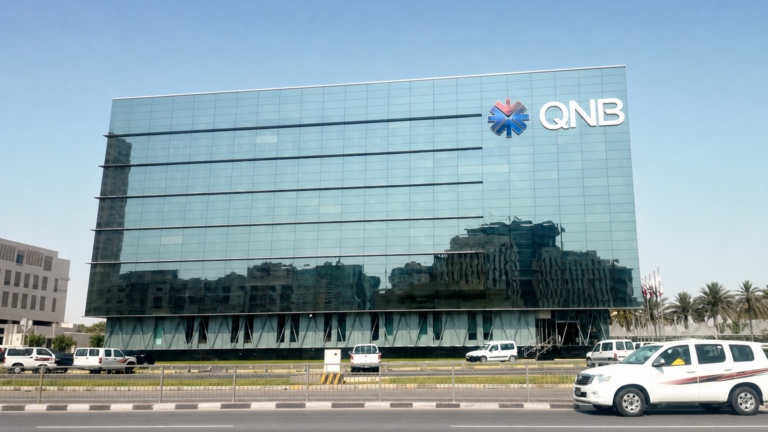
According to the Central Bank of the UAE total banking assets increased by 1.1 percent in February 2026 to exceed AED5.472 trillion from AED5.414 trillion in January as the financial sector continued to support overall economic expansion. Total credit facilities rose 1.2 percent to AED2.63 trillion with domestic credit gaining AED20.6 billion while bank deposits grew 1.9 percent to AED3.4 trillion and resident deposits advanced 1.7 percent to AED3.098 trillion. The sector’s capital adequacy ratio stood at 17 percent and the liquidity coverage ratio surpassed 146.6 percent at the start of March figures that remain comfortably above global regulatory requirements. UAE banks including First Abu Dhabi Bank and Emirates NBD also featured in Forbes’ 2026 ranking of the world’s best banks.
Moody’s maintained the UAE’s Aa2 sovereign rating with a stable outlook following its March 30 review while S&P Global Ratings affirmed the AA/A-1+ rating for local and foreign currency obligations with a stable outlook as well. S&P Global Ratings noted that the UAE economy is underpinned by strong fiscal and economic resilience supported by consolidated government net assets estimated at around 184 percent of GDP in 2026 and government liquid assets at approximately 210 percent of GDP. The International Monetary Fund has projected real GDP growth of 3.1 percent for 2026 according to its April update.
Emirates News Agency reported that the UAE signed Comprehensive Economic Partnership Agreements with the Philippines Nigeria the Democratic Republic of the Congo and Gabon in the first quarter as part of efforts to lift non-oil trade to AED4 trillion by 2031. The country entered the World Trade Organisation’s list of the top ten merchandise exporters for the first time ranking ninth globally after total foreign trade reached AED6 trillion in 2025 a 15 percent rise from the previous year. Non-oil merchandise trade expanded 27 percent to AED3.8 trillion in that period while trade in services crossed AED1.14 trillion for the first time. Ministry of Economy data from recent quarters shows non-oil activities now contributing a record 77.3 percent to GDP.
Mubadala Investment Company expanded its portfolio to AED1.4 trillion while delivering cumulative returns above 10 percent over both five- and ten-year periods the company said in its updates. ADNOC saw its brand value climb 11 percent to $21.13 billion entering the list of the world’s 100 most valuable brands and retaining its position as the UAE’s top valued brand for the eighth year running. Dubai recorded its best performance in the Global Financial Centres Index by rising to seventh place overall.
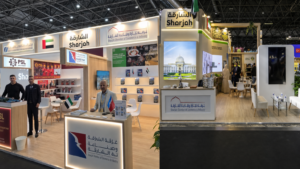
The total number of registered companies across the UAE exceeded 1.45 million by the end of February 2026 reflecting sustained interest in the business environment. Dubai Chamber of Commerce added 2,709 new companies during March while the Sharjah Economic Development Department registered a 1 percent increase in licences issued and renewed in the first quarter of 2026 compared with the prior year. Ajman authorities issued 1,617 new licences and renewed 8,777 during the same quarter with the renewal figure rising 7 percent year on year. These developments point to continued expansion in commercial registrations amid the broader economic upswing.
The UAE’s March 2026 auction of dirham-denominated Treasury bonds achieved total issuance of AED1.1 billion with bids reaching AED4.85 billion or 4.4 times the amount offered for the selected maturities in 2027 and 2031 according to the Ministry of Finance. Strong demand from primary dealers underscored market confidence in the instruments. This activity forms part of the sovereign financing strategy that supports the economy’s diversification goals as projected by the IMF and other institutions.