
 ع
ع



Hungary shuts second nuclear reactor as Danube levels fall, according to reports from WAM and international outlets including Reuters and Deutsche Welle that tracked the progressive reductions at the Paks facility. Prime Minister Péter Magyar announced the latest measure after output cuts began on reactor one with a 254-megawatt reduction on Monday and continued through additional units midweek. The prime minister added that the plant may not return to service for several weeks because the river is forecast to recede further amid ongoing drought. Magyar urged citizens to reduce their power consumption as a heatwave with temperatures near 37 degrees Celsius increased demand across the national grid.
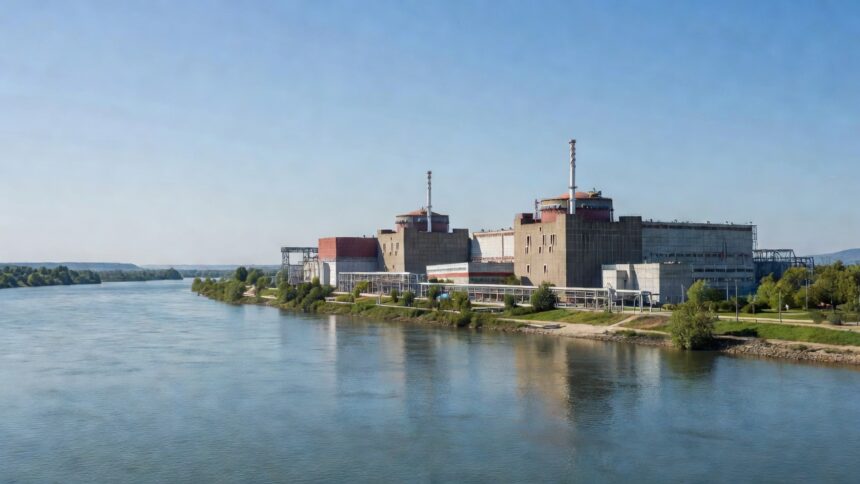
A Deutsche Welle assessment found that the Paks plant, situated 120 kilometers south of Budapest, depends on the Danube for cooling water that has now fallen too low for the system’s suction nozzles to operate. The action represents the first full interruption in the facility’s 44 years of operation. Magyar stated during a news conference that authorities would monitor the river daily to determine when normal generation could resume. Similar output reductions have occurred at nuclear sites in Romania due to the same low water conditions along the shared waterway.
Reuters reported that the Paks installation operates four Russian-built reactors with combined capacity of two gigawatts and normally supplies close to half of Hungary’s total electricity. The current reductions have brought the plant to less than 50 percent of capacity before the second reactor was taken fully offline. Officials indicated that increased imports and other domestic generation would cover the shortfall during the period of constrained nuclear output. AP News noted that the shutdown arrives as the heatwave places additional strain on the power system.
BBC News indicated that the record-low Danube levels have created parallel difficulties for power producers in Serbia and Bulgaria where reactors have also been affected. The prime minister held discussions with regional counterparts on managing cross-border electricity flows during the crisis. Energy authorities have issued conservation guidance to households and businesses to help stabilize supply. The situation highlights how weather extremes can directly influence generation at water-dependent facilities across southeastern Europe.
Magyar has assured that Hungary’s overall energy supply remains secure despite the reactor adjustments at Paks. In statements carried by multiple outlets the prime minister emphasized coordinated preparations for any extended outage. Market participants tracking European wholesale electricity prices are observing the developments for potential impacts on regional trading. Hungarian officials continue to coordinate with upstream nations on the Danube to address the shared resource constraints.
The prime minister’s office has tracked the river recession since early in the week when initial output cuts were implemented. Forecasts suggest dry conditions may persist into the following week before any significant rainfall arrives in the basin. Restoration of full nuclear capacity will require water levels high enough to reach the plant’s intake infrastructure without interruption. Authorities have maintained daily updates on the status of all four reactors at the site.