
 ع




Emirates News Agency WAM reported that crude oil prices rose as Brent surpassed $91 amid Middle East tensions, with the benchmark climbing more than 3 percent in early trading on renewed geopolitical risks. The price surge followed US strikes on Iranian rocket launchers in the Strait of Hormuz and an Iranian missile response targeting American positions in Jordan that were intercepted without major damage. Market participants tracked the developments closely as the incident marked the first such direct confrontation in roughly a month after a period of relative calm that had allowed prices to ease. According to FactSet data cited in multiple reports, the November Brent contract reached as high as $91.22 per barrel while West Texas Intermediate advanced 3.4 percent to around $86.20.
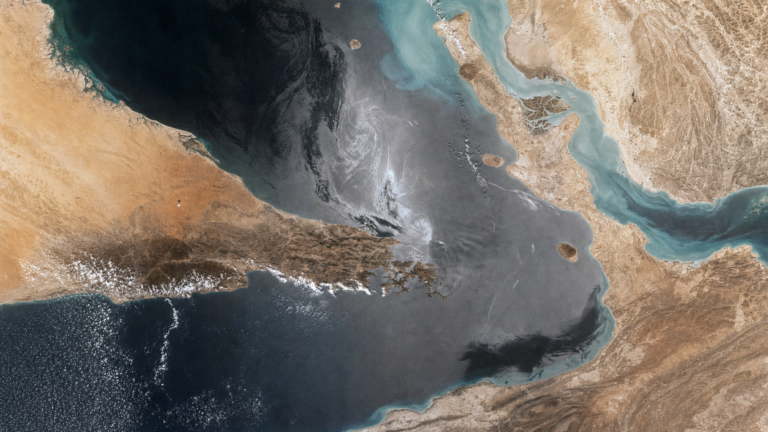
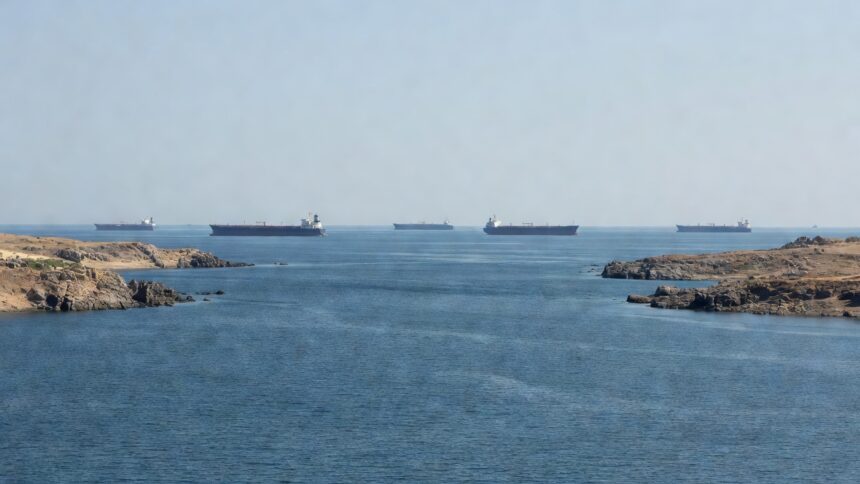
A New York Times dispatch detailed how US forces targeted two Iranian rocket launchers attempting to disperse sea mines in the vital waterway, prompting the Iranian retaliation. The exchanges come against a backdrop of prolonged regional conflict that has already disrupted shipping patterns through the Strait of Hormuz, a chokepoint carrying about one-fifth of global oil and LNG trade under normal conditions. Morningstar noted that the latest flare-up offset earlier optimism from diplomatic talks between Iran and Oman aimed at restoring safe passage. Shipping data cited by Reuters showed vessel traffic through the strait remained well below average levels even before the latest incidents.
Trading Economics figures placed Brent at $90.43 by the end of the session on August 31, reflecting a 2.65 percent daily gain and a 7.95 percent increase over the past month. The benchmark had traded near $72 earlier in 2026 before the escalation of hostilities pushed values higher, though prices later pulled back on hopes of de-escalation. Gulf News reported that Murban crude, the UAE’s flagship grade, climbed more than 4 percent to $95.75 on the same day as regional producers monitored the situation. The volatility underscores how quickly sentiment can shift in a market already sensitive to any threat against energy infrastructure.
Wood Mackenzie analysts have previously warned that prolonged closure of the Strait of Hormuz combined with disruptions at Bab el-Mandeb could drive Brent beyond $147 per barrel under extreme scenarios, though such outcomes remain hypothetical. The International Energy Agency has cautioned against complacency in global markets despite cushioning factors such as strategic reserves in consuming nations. Kuwait and other GCC producers maintain spare capacity that could partially offset short-term losses, yet sustained tensions would still ripple through global supply chains. Central bankers and finance ministries across importing countries have begun modeling the potential inflationary effects of prices holding above $90.
President Donald Trump stated that the United States would respond firmly to the Iranian actions, according to Fox News coverage of the events. The US Strategic Petroleum Reserve sits at its lowest level since 1982, limiting options for immediate domestic relief through releases. Venezuelan oil development deals mentioned in recent announcements could eventually add supply but would require years to reach meaningful volumes. Industry participants continue to monitor tanker movements and insurance rates that have risen sharply on war-risk premiums.
Saxo Bank commodity strategist Ole Hansen observed that prices had fallen sharply in late August on de-escalation hopes before the latest incidents reversed the trend, with Brent recently trading near $86 before rebounding. The physical market has shown tighter conditions than futures curves suggested, as evidenced by rising spot premiums for Middle Eastern grades. Goldman Sachs projections from earlier in the conflict indicated Brent could average $100 next year if key straits remain impaired. Market participants await further updates from regional authorities and major producers on production adjustments.