
 ع
ع



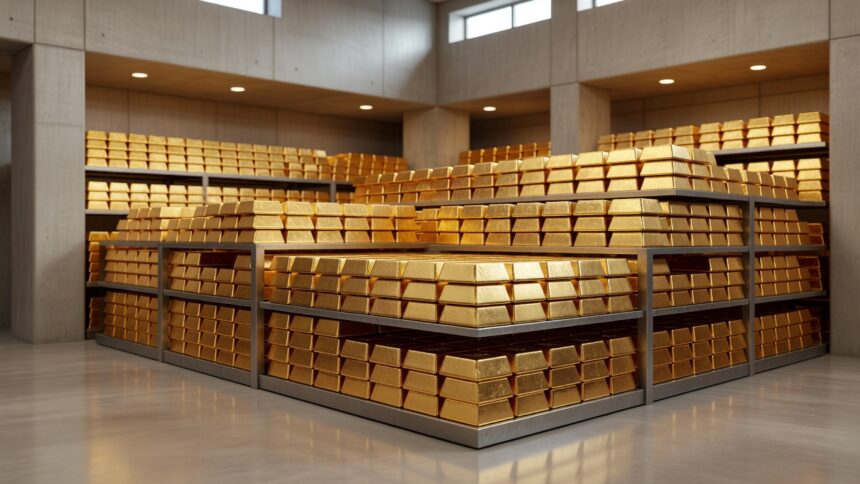
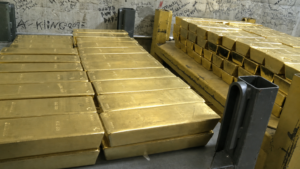
The World Gold Council’s Central Bank Gold Reserves Survey released on June 16 showed that central banks have accumulated an average of 1,000 tonnes of gold annually over the past four years, more than double the 500-tonne average from the preceding decade. According to the survey, 74 percent of respondents anticipate the dollar’s share of global reserves will be moderately or significantly lower within five years, with the gap filled primarily by gold rather than the euro or yuan. A record proportion of central banks, up sharply from prior years, now plan further gold purchases in 2026, led by institutions in China, India, Turkey and Poland.
Reserve managers participating in the World Gold Council survey overwhelmingly cited gold’s strong performance during crises, its established record as a store of value and its diversification properties as the main reasons for holding the metal. Emerging-market respondents placed particular emphasis on its role in hedging geopolitical risks, including the potential for reserves to face restrictions through the international banking system. The survey, the largest in the council’s nine-year series, noted that gold’s share of total reserves has climbed over the past decade even as the dollar’s portion has gradually decreased.
Data compiled by the World Gold Council placed the consistent buying pace as a matter of strategic policy rather than opportunistic trading, with accumulation continuing across gold prices ranging from around $4,000 to more than $5,500 per ounce. The report described the shift as part of a broader, multi-year rebalancing rather than an abrupt departure from the dollar. IMF COFER statistics referenced in related coverage confirm the dollar’s gradual decline in official reserves over recent years.
The Central Bank of the UAE lifted its gold reserves to AED43.051 billion by the end of January 2026, a 13.6 percent rise from December, Zawya reported. Subsequent figures placed holdings at Dh40.82 billion in April, reflecting a 41.8 percent increase from the prior year. These expansions mirror the global pattern documented in the World Gold Council survey.
As a major gold trading and refining centre, the UAE benefits from heightened international demand through platforms such as the Dubai Gold and Commodities Exchange, industry data indicate. Sustained central bank purchases have supported regional liquidity and trading volumes in the metal. The country’s position as a hub places it favourably amid the ongoing reserve adjustments.
UAE investors face indirect exposure to US monetary policy through the dirham’s peg to the dollar, making the survey findings particularly relevant for portfolio construction. Sovereign strategies that increase gold allocations offer a template for personal diversification into hard assets to manage concentration risks. Regulated trading instruments for gold and related currencies allow participation in these macro shifts without the operational burdens of physical bullion.