
 ع




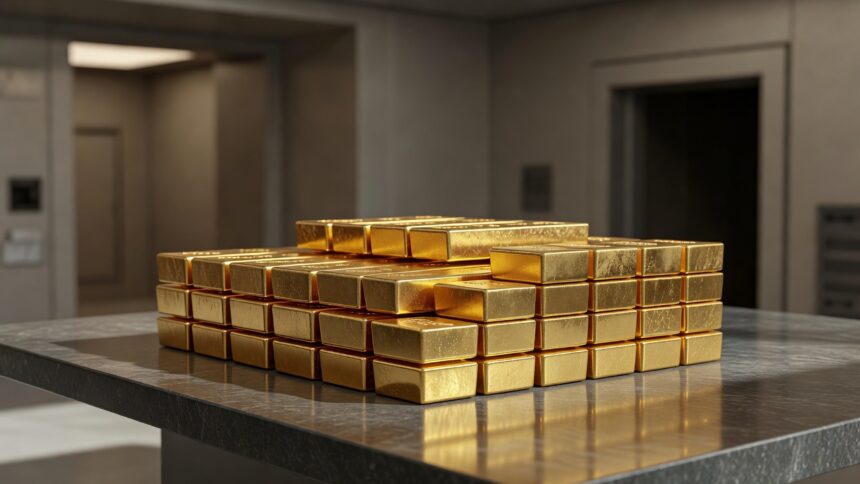
Reuters reported that spot gold fell 0.5 percent to $4,576.30 an ounce by early trading hours after reaching a more than three-month high earlier in the week on the back of U.S. Treasury measures to support long-duration bonds. U.S. gold futures declined 0.8 percent to $4,629.00 at the same time. The move reflected positioning ahead of closely watched comments from the Federal Reserve chair later in the day at the annual economic symposium in Wyoming.
According to Reuters, Federal Reserve officials shared concerns about the inflation environment on the preceding Thursday as central bankers convened for the Jackson Hole gathering. Their remarks followed the release of data showing the Personal Consumption Expenditures price index, the Fed’s preferred gauge, stood at 3.7 percent over the 12 months through July. The readings underscored persistent price pressures that have kept rate-cut expectations in check.
Senior analyst Matt Simpson at StoneX told Reuters that the arguments for Warsh to take a hawkish line outweighed those pointing the other way. Simpson noted that such a tilt could drive gold lower from recent cycle highs in the coming weeks. “But I suspect any such dip will be viewed favourably by bulls who missed out on the first phase of the rally – and are keen to have another crack at $5,000,” he said.
CME FedWatch tool data cited by Reuters assigned a 33.9 percent probability to a U.S. rate increase as soon as September, with odds climbing to 74 percent by December. Gold tends to lose appeal in a higher interest-rate climate since the metal produces no yield, the news service added in its assessment of market dynamics. This relationship has guided trading flows throughout the current tightening cycle.
A BullionVault analysis published the previous day showed gold dropping below $4,580 an ounce, a 2.6 percent pullback from Tuesday’s weekly peak, as stronger U.S. jobs data and a record trade deficit supported the dollar. Gold-market consultancy Metals Focus said in the same review that markets had turned cautious ahead of the Fed chair’s remarks. Central banks continued adding to gold reserves at a robust pace this year, industry trackers noted, providing underlying demand even as near-term sentiment fluctuated.