
 ع




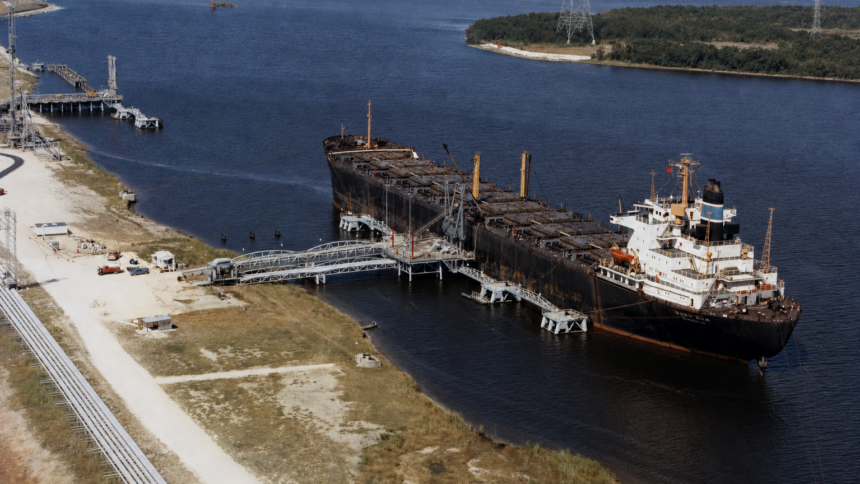
President Donald Trump announced on October 2 that Europe had agreed to release a massive amount of diesel from its reserves as the Group of Seven unveiled a coordinated plan to tap strategic stocks and ease persistently high fuel prices. The US president made the claim in a post on Truth Social following a videoconference of G7 leaders chaired by French President Emmanuel Macron. Trump added that the process would begin immediately according to his statement.
A G7 statement outlined a release of as much as 100 million barrels of diesel and crude oil over four months including a frontloaded substantial diesel release within the first 20 days by member countries and partners. This follows an earlier coordinated release of 400 million barrels approved in March that had helped stabilize prices at the time according to an NBC News report. Officials framed the latest step as a response to ongoing supply disruptions affecting global markets.
US diesel prices have climbed 70 percent since late February to an average of $6.37 per gallon according to AAA figures. The surge stems from the US and Israeli military action against Iran that began on February 28 and subsequent tensions that have restricted flows through the Strait of Hormuz according to multiple reports. Escalations in the Russia-Ukraine conflict have further strained diesel supplies this summer pushing costs higher across Europe and North America.
The Trump administration had pressed European governments to release more than a third of their diesel reserves with Energy Secretary Chris Wright proposing the drawdown of 120 million barrels over 180 days as an alternative to a potential US ban on diesel exports. European officials told POLITICO the request was positioned as a way to lower prices without disrupting American farmers and businesses. Treasury Secretary Scott Bessent had earlier urged European partners via social media to make additional supplies available immediately to address the disruptions.
Eurostat figures show the European Union held approximately 315 million barrels of diesel in reserves as of June meaning the proposed releases would represent a significant portion of available stocks. The European Union had rejected threats of an American export ban with officials stressing the need to balance price relief against maintaining emergency buffers. Discussions among EU member states and with Washington continued through the week leading to the G7 decision.
French President Emmanuel Macron hosted the G7 leaders to address the energy situation as prices hit new highs in several countries. The coordinated action builds on prior efforts within the International Energy Agency framework to manage volatility in oil markets. Market participants will monitor the speed of the initial diesel injections for their impact on near-term pricing.