ع




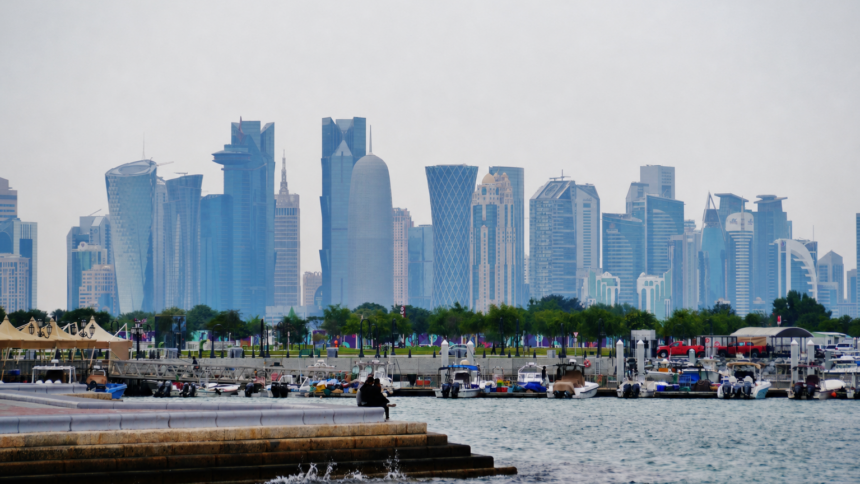
The Real Estate Regulatory Authority, known as Aqarat, reported that Qatar improved its standing in the JLL Global Real Estate Transparency Index for 2026, moving up from 68th place in the 2024 edition. This gain of five positions reflects advances in data availability and transparency across the real estate sector. Aqarat highlighted the country’s notable regional progress among Gulf Cooperation Council markets, where several peers have similarly strengthened their positions over the past decade.
JLL and LaSalle’s assessment of 88 markets and 146 cities found that two-thirds of those tracked registered gains in transparency levels since the previous survey. Digitization of land registries, expanded data on alternative property sectors and clearer standards for building energy efficiency contributed to the widespread improvements. Qatar’s performance aligned with these trends, according to the index producers, as the country enhanced its regulatory framework and information systems.
Gulf markets have sustained a decade of advancement in the index despite regional challenges, with Saudi Arabia, Dubai, Abu Dhabi and Qatar all featuring among the most improved over that period. A JLL assessment noted that Saudi Arabia has pursued centralized databases for rents, sales and transaction volumes as part of its Vision 2030 strategy. Such initiatives have helped build investor confidence and support more efficient market operations across the region.
Transaction volumes in the 13 most transparent markets rose 64 percent over the past two years, outpacing growth elsewhere and accounting for more than 80 percent of global direct real estate investment, JLL data shows. Highly transparent markets also represent 56 percent of income-producing real estate assets worldwide. These figures underscore how transparency metrics influence capital allocation decisions by institutional investors and financial institutions.
Aqarat stated that Qatar continues to develop its regulatory environment to bolster transparency and create a more efficient ecosystem for real estate activities. The authority’s efforts focus on building greater investor trust and enhancing the sector’s attractiveness for both domestic and international participants. This approach supports sustainable growth in the real estate market as Qatar expands its role in the global investment landscape.
The Global Real Estate Transparency Index serves as a key reference for investors, policymakers and financial institutions evaluating risk and opportunity in property markets around the world. It analyzes more than 260 factors across governance, performance measurement, regulatory frameworks and sustainability considerations. Qatar’s latest ranking positions it to benefit from the concentration of capital flows toward markets demonstrating measurable progress in these areas.