ع




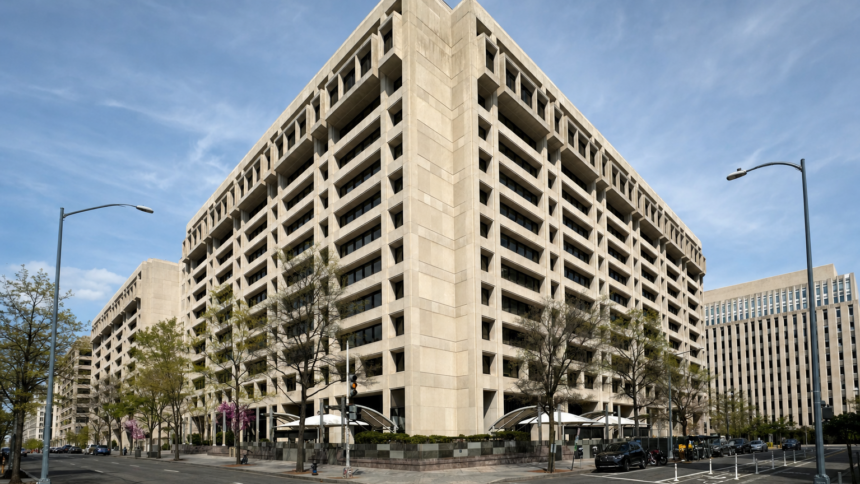
The International Monetary Fund’s 2026 Annual Report of the Executive Board detailed how the institution provided $40 billion in financing to 18 countries in fiscal year 2026, which ran from May 1, 2025, through April 30, 2026. According to the report, this total included roughly $2 billion extended to nine low-income countries. New requests approved over the period amounted to about SDR 29 billion, while undisbursed lending commitments and credit outstanding reached SDR 144 billion under the General Resources Account and SDR 27 billion under the Poverty Reduction and Growth Trust as of April 30, 2026.
The IMF report noted that demand for lending and support under its facilities stayed high throughout the year as member countries continued to address economic challenges that originated with the global pandemic and subsequent shocks. In parallel the fund completed 138 country health checks through Article IV consultations and related surveillance activities. The report also recorded $400 million in spending on capacity development that delivered hands-on technical advice, policy-oriented training and peer learning opportunities to members.
A separate IMF policy paper on the adequacy of precautionary balances projected demand for fund resources in fiscal years 2026 and 2027 based on desk surveys from country teams, anticipating that members would continue seeking support in a shock-prone global environment. The IMF’s lending capacity stood at SDR 691.5 billion as of end-December 2025 according to that review. Earlier fiscal year data cited in related IMF documents showed approvals of about SDR 46 billion in new requests during fiscal 2025, indicating sustained though fluctuating reliance on the fund’s resources.
The 2026 report highlighted ongoing extended arrangements and other instruments that addressed balance of payments needs across regions, with active programs in countries including Argentina, Ukraine and Pakistan. IMF lending arrangement tables list multiple extended fund facility agreements still in effect, such as Argentina’s April 2025 arrangement for SDR 15.3 billion and Ukraine’s February 2026 arrangement for SDR 5.9 billion. These commitments form part of the broader response that has kept total credit outstanding at elevated levels compared with pre-pandemic norms.
Recent board actions reflected in treasury reports and IMF updates include completions of reviews that unlocked further disbursements, such as the sixth review for Ghana in July 2026 that released about $371 million. The IMF’s annual summary tied such steps to efforts that have helped stabilize economies and reduce debt risks in several cases. Low-income countries in particular have drawn on the Poverty Reduction and Growth Trust to manage external pressures.
An IMF review of the Short-Term Liquidity Line noted limited uptake of that particular precautionary instrument since its creation, with only Chile having used it briefly in 2022 before switching to a Flexible Credit Line. The broader pattern across precautionary facilities has shown modest demand in recent years even as overall lending requests remained robust. The annual report framed these developments as consistent with the fund’s mandate to support global stability amid continued uncertainty.