
 ع
ع



The Ministry of Energy and Mineral Resources forecast that the biodiesel programme will generate foreign exchange savings of $10.8 billion in 2026 through the substitution of imported diesel with domestically produced biodiesel. This projection builds on the success of previous years where the programme has already delivered substantial reductions in the nation’s oil import dependency. The ministry’s calculation factors in expected increases in biodiesel production capacity and higher blending ratios for transportation and industrial fuels across the archipelago. Officials tied the anticipated benefits directly to ongoing policy measures that have scaled up the mandate over time.
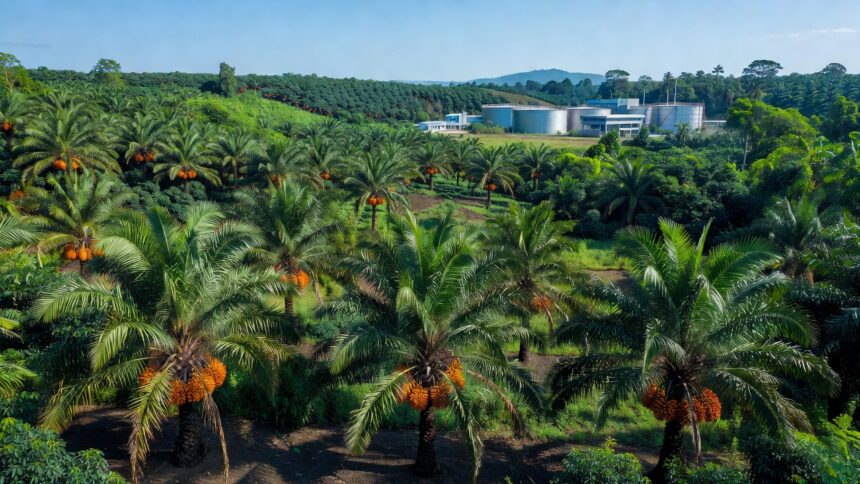
Indonesia has progressively raised its biodiesel blend mandate, with the current standard requiring a 35 percent biofuel component in diesel fuel according to government regulations. The programme leverages the country’s abundant palm oil resources, positioning Indonesia as a global leader in biofuel adoption. Data from the ministry indicate that biodiesel utilisation has grown steadily since the initiative’s inception, contributing to both energy security and rural economic development. The ministry has consistently reported year-on-year increases in output to meet rising domestic demand.
In an assessment released this week, the ministry detailed how the savings would be achieved by curbing outflows for petroleum imports amid fluctuating global oil prices. The biodiesel programme to save Indonesia US$10.8 billion in 2026 forms a key pillar of the country’s energy transition strategy. Officials noted that the initiative also supports the agricultural sector by creating demand for palm oil feedstock from smallholder farmers across major producing regions.
A separate report from the International Energy Agency highlighted Indonesia’s biofuel policies as among the most ambitious in Southeast Asia, with potential to significantly lower greenhouse gas emissions if sustainability standards are maintained. The agency projected that biofuel demand in the region could rise substantially over the coming decade on the back of similar national programmes. Such international recognition underscores the strategic value placed on the domestic effort by energy planners.
The ministry further outlined plans to expand infrastructure for biodiesel distribution to ensure consistent supply to remote areas. This includes investments in processing facilities and quality control measures to meet international standards for export markets. Economic analysts affiliated with the finance ministry have pointed to the programme’s role in stabilising the balance of payments by reducing the need for foreign currency in energy purchases over multiple fiscal years.
The savings estimate assumes stable palm oil production levels and continued government support for the sector, the ministry assessment found. Previous years have seen similar programmes deliver billions in savings, helping to ease pressure on the state budget from fuel subsidies. The approach also aligns with broader goals to diversify the energy mix and promote renewable resources while maintaining economic competitiveness.