 ع
ع


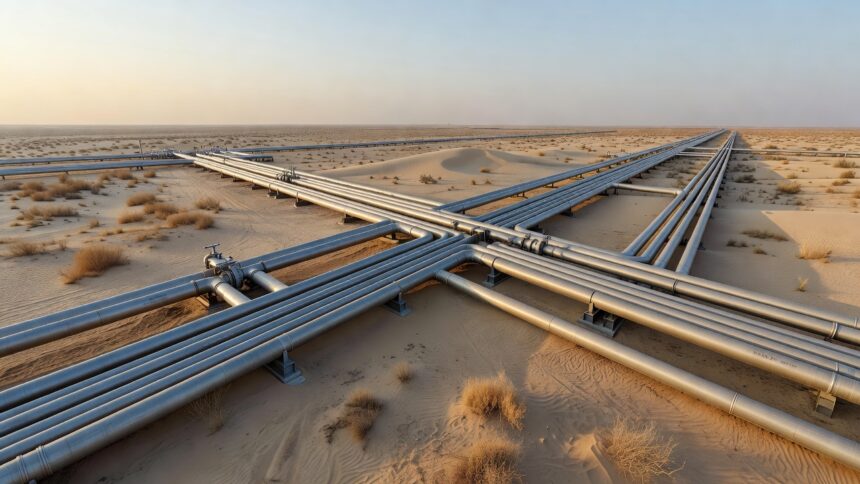
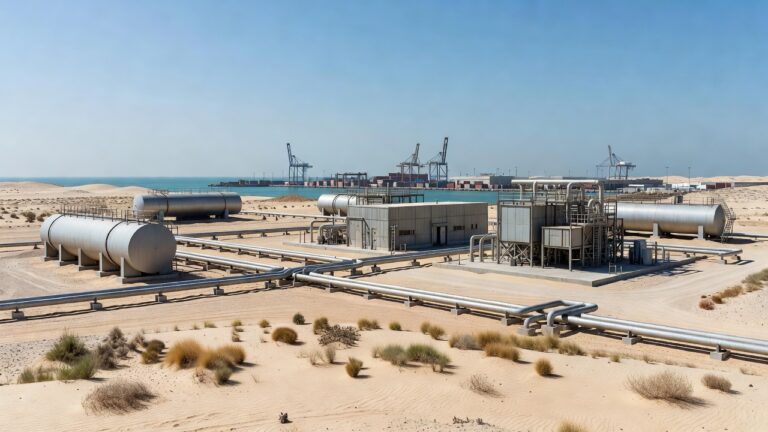
Kuwait Petroleum Corporation has asked certain global funds bidding for a stake in its oil pipeline network to recruit additional investors and form consortiums, three sources familiar with the matter told Reuters this week. The move aims to consolidate bids for the roughly $7 billion transaction while allowing smaller investors that maintain relationships with KPC to participate in the process. Reuters reported that the request reflects efforts to structure the deal in a way that broadens involvement without fragmenting the investor group advancing to later stages.
The transaction forms part of a wider trend among Gulf national oil companies seeking to monetise infrastructure assets and draw foreign capital to support economic diversification away from oil revenues. According to Reuters, these sales enable the firms to fund domestic investment programmes while typically retaining operational control over the assets. Industry patterns show similar approaches by operators in Saudi Arabia and the United Arab Emirates over the past two years.
Blackstone has joined the bidding for the KPC pipeline stake, marking its first participation in a series of Gulf national oil company infrastructure deals that have drawn competitors including BlackRock and its Global Infrastructure Partners unit. BlackRock’s GIP, Brookfield Asset Management, EIG Global Energy Partners, KKR and Apollo have advanced to the next phase of the sales process, the sources told Reuters. A separate Bloomberg report from June indicated that KPC had shortlisted several of these parties after initial talks that began in late 2025 with advisers JPMorgan Chase and Centerview Partners.
The pipeline sale process has seen some attrition since its launch, with Macquarie dropping out of contention, Reuters previously reported. A financing package valued at around $6 billion is now taking shape to back the eventual winner of the transaction. KPC initiated the effort during the early stages of the U.S.-Israeli war on Iran, a time of elevated caution among investors regarding Gulf assets, yet the Kuwaiti firm has continued to pursue the fundraising.
Saudi Aramco completed an $11 billion lease-and-leaseback agreement for its Jafurah gas processing facilities with a consortium led by Global Infrastructure Partners in October, according to multiple industry reports. Abu Dhabi’s ADNOC has also executed comparable pipeline and gas infrastructure transactions, including a deal involving KKR for its gas pipeline assets in late 2025. These precedents illustrate how regional energy firms are using infrastructure sales to unlock capital while maintaining majority stakes and operational oversight.
Kuwait ranks as OPEC’s fifth-largest oil producer, and the KPC move aligns with efforts to diversify government revenues and support long-term development goals. The sale is structured so that the selected consortium would acquire rights to lease the pipeline network through a new subsidiary, with KPC holding a controlling interest. Reuters noted that the approach mirrors models successfully deployed by other Gulf operators in recent infrastructure monetisations.
KPC, Blackstone, Brookfield, EIG, KKR and Apollo all declined to comment on the matter when contacted by Reuters. BlackRock did not respond to requests for comment. The final structure and value of the transaction remain subject to government approval in Kuwait.