
 ع
ع



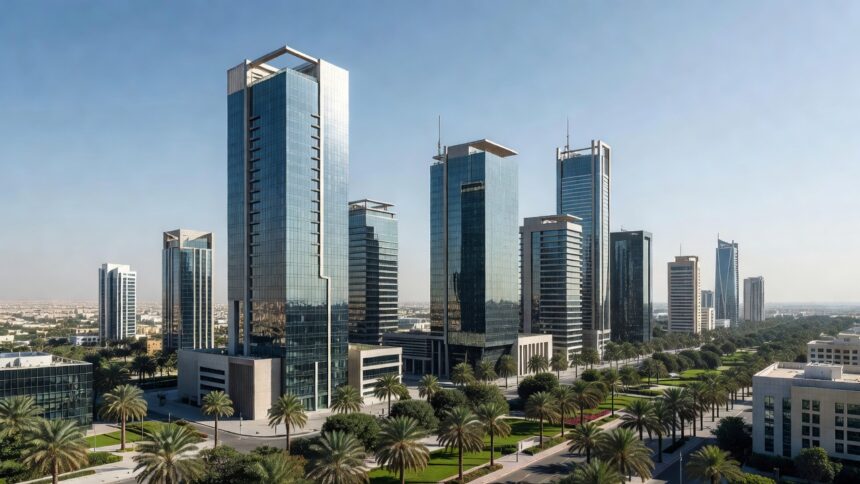
The Real Estate General Authority announced that the updated rules, which form part of the national real estate legislative system, officially took effect on January 22 as a step toward broadening participation in the property sector. All applications from non-Saudis must now proceed exclusively through the Saudi Arabia Real Estate digital platform, which connects directly to the national registry to verify compliance and safeguard ownership rights. Foreign residents may submit requests using their valid residence permits with automated checks completing the process electronically, while non-residents are required to obtain a digital identification number first through Saudi embassies or consulates abroad. The authority stated that foreign companies without a local presence must register via the Ministry of Investment’s Invest Saudi platform to secure a unified registration number before finalizing any transaction.
According to the Real Estate General Authority, ownership for non-Saudi individuals, companies and entities is permitted across most of the Kingdom but remains restricted in Makkah and Madinah to Saudi companies and Muslim persons only. A Geographic Zones document that will map all approved areas is scheduled for publication during the first quarter of 2026 to provide further clarity on permitted locations and property categories. The framework maintains specific regulatory procedures that vary by applicant type while integrating with existing government systems to streamline approvals.
IMARC Group data places the Saudi real estate market at $77.2 billion in 2025 and projects expansion to $141.6 billion by 2034 at a compound annual growth rate of 6.73 percent. The Real Estate General Authority expects the new law to attract international developers and specialized firms that will raise project quality and generate jobs for Saudi citizens in residential, commercial, industrial and tourism developments. The authority added that the changes will increase the sector’s sustainable contribution to non-oil gross domestic product in support of broader economic goals.
Saudi Vision 2030 has driven successive reforms to liberalize real estate rules and draw greater foreign direct investment into the Kingdom. Earlier restrictions typically required case-by-case approvals that limited non-Saudi participation mainly to designated investment vehicles or specific zones, according to the official Vision 2030 document. The current legislation replaces those barriers with a transparent digital pathway that aligns with the plan’s targets for diversifying revenue streams and enhancing urban infrastructure.
The Real Estate General Authority noted that the platform ensures all transactions meet national standards while facilitating integration with payment systems and land records for greater efficiency. Corporate applicants benefit from coordinated registration that links ownership procedures to investment licensing, reducing previous administrative hurdles. Industry reports indicate that such measures have already begun encouraging capital inflows from international investors seeking exposure to high-growth Saudi urban centers.
Later updates from the authority and supporting analyses confirm that the designated zones now encompass key economic hubs beyond the initial major cities, further expanding opportunities under the implemented regulations. The combination of policy reform and digital infrastructure positions the sector to accommodate rising demand from both domestic and overseas participants. Public Investment Fund-backed projects continue to complement these openings by delivering large-scale developments that require sustained foreign expertise and funding.