
 ع
ع




The Qatar News Agency reported that Qatar’s second-place global ranking in the labor market index of the 2026 IMD World Competitiveness Yearbook reflects the strength of the country’s economy and its ability to attract talent. This position is attributed to policies promoting a flexible labor market, an enhanced business environment and accelerated digital transformation. Experts cited in the report pointed to the stable economy, supportive legislation and advanced infrastructure as key factors in Qatar’s success at drawing skilled workers from around the world. The achievement is seen as consistent with the aims of the Qatar National Vision 2030.
According to the IMD World Competitiveness Center, the yearbook assesses more than 300 criteria grouped under four pillars of competitiveness for 70 economies, with labor market efficiency falling under the business efficiency category. Qatar’s performance places it ahead of most competitors in the GCC region, where it also leads in economic resilience following a top regional ranking announced on June 23. The news agency highlighted how these results confirm the advanced standing of the Qatari labor market.
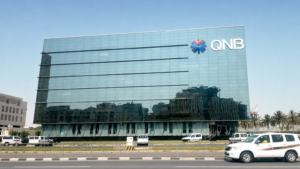
Qatar Chamber of Commerce and Industry acting general manager Ali Bu Sherbak Al Mansori said the ranking boosts investor confidence and underscores the positive impact of recent legislative reforms on the private sector. In the statement carried by the Qatar News Agency, Al Mansori emphasized that such accomplishments help position Qatar as an attractive destination for international business. The official noted the role of ongoing improvements in labor regulations.
The Government Communications Office details that Qatar National Vision 2030 focuses on four pillars including human development and economic growth, with specific targets to localize jobs and build a capable national workforce. Data from the office indicates that the strategy involves increasing citizen participation in the labor force while continuing to attract high-quality expatriate talent to support economic diversification. This framework has guided recent labor market reforms aimed at improving flexibility and productivity.
A report from the International Labour Organization on its partnership with Qatar underscores how labor policies are aligned with the National Vision 2030 to modernize the market and strengthen social protection. The ILO document points to initiatives in workforce policies, occupational health and safety, and social dialogue as contributing to competitiveness. Such collaborations have helped Qatar address challenges in matching labor supply and demand.
Recent amendments to labor laws, including provisions for part-time and freelance work, have further supported the transformation of the labor market in line with national goals, according to updates from the Ministry of Labour. These changes strengthen worker protections, improve recruitment processes and enhance dispute resolution mechanisms. The reforms are expected to attract more talent and promote a sustainable workforce.
This ranking comes as the IMD Yearbook showed shifts in overall competitiveness, with the United States re-entering the top 10 by displacing Qatar in the general standings, according to the report summary. Nevertheless, the specific labor market indicator highlighted Qatar’s strengths in jobs, skills development and employment practices. Officials continue to build on these foundations to maintain the country’s edge in global talent competition.