ع




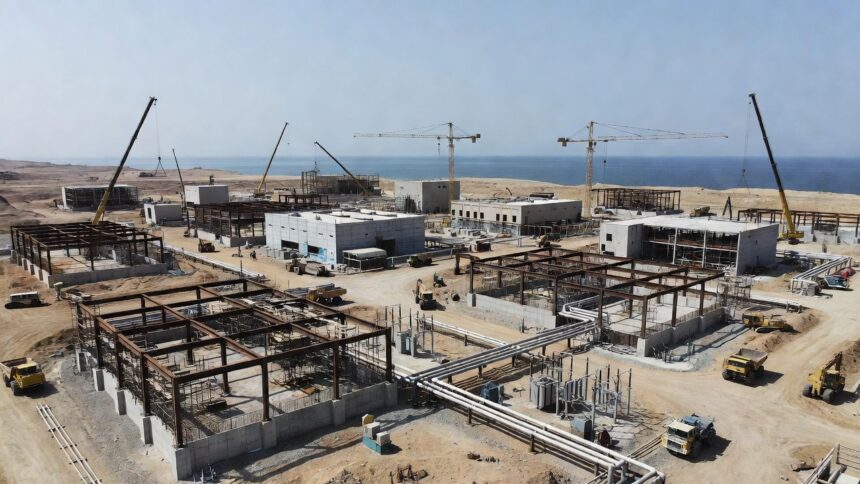
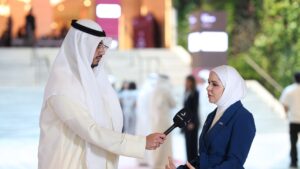
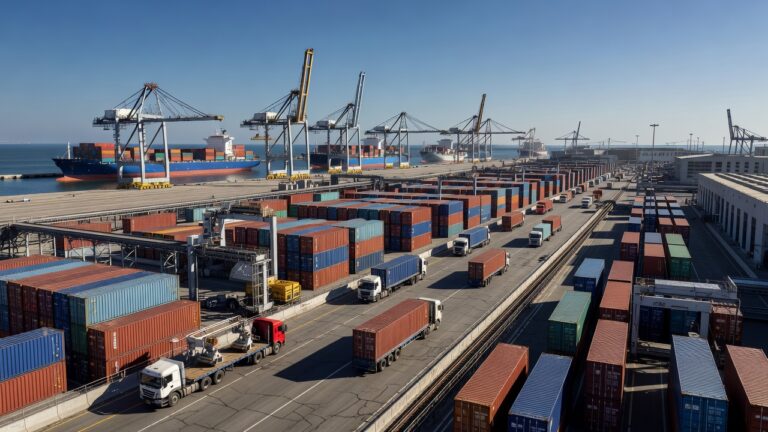
Tosyali Sulb Steel Industries is advancing its direct reduced iron complex near Benghazi with the Turkish-Libyan joint venture having completed approximately 40 percent of construction as of mid-October 2026. Ahmed Gadalla, chairman of the venture, told Reuters that the project is expected to draw $2.5 billion in investment with commercial production starting in early 2028. The facility will initially produce 2.7 million tons of DRI per year in its first phase for which natural gas supply has been secured. Full capacity is planned at 8.1 million tons annually with 90 percent of production aimed at export markets.
The plant will focus on lower-carbon iron made possible by using natural gas instead of coal, a method that reduces emissions compared to traditional blast furnace production. Gadalla stated in the September interview that the project’s location on Libya’s Mediterranean coast allows it to serve European and African customers effectively. He pointed to increasing environmental requirements and higher costs in those markets as factors creating demand for the output. The development coincides with the EU’s Carbon Border Adjustment Mechanism entering its full implementation phase earlier in 2026.
Tosyali Holding of Turkey has partnered with the Libyan United Steel Company for Iron and Steel Industry, known as SULB, to execute the project in the Ras al-Mangar area. According to updates from SteelOrbis on October 14 2026 the complex spans 380 hectares and includes dedicated power infrastructure to meet its energy demands. Around 90 percent of the DRI will be exported while rebar and pipe manufacturing will cater to Libyan domestic demand the chairman confirmed.
The scale of the investment stands out in Libya’s push to reduce its reliance on oil and gas revenues which have long formed the backbone of the national economy. Reports from Gulf News drawing on World Bank and IMF projections place the $2.5 billion figure at approximately 5 percent of the country’s GDP for the 2025-2026 period. This positions the venture as one of the most significant non-oil industrial undertakings in recent years for the North African nation.
Regional developments including the conflict involving Iran have disrupted shipping through the Strait of Hormuz elevating the importance of Mediterranean-based projects like the one in Benghazi for alternative trade routes. An analysis by Edge News in early October 2026 linked these disruptions to heightened strategic value for Libyan industrial and hydrocarbon assets. The Benghazi project thereby opens avenues for increased trade and investment flows with Gulf countries seeking diversified supply options for steel inputs.
Construction progress has been steady despite Libya’s complex political environment with the joint venture also emphasising local job creation and skills development. Gadalla has expressed confidence in the project’s ability to contribute to Libya’s broader economic diversification goals. The initiative reflects growing Turkish economic engagement in eastern Libya across multiple sectors including infrastructure.