ع




Emirates News Agency reported that oil prices rose with Brent topping $110 per barrel amid ongoing worries over potential disruptions to global supplies. Brent futures gained $2.06 to reach $110.85 while West Texas Intermediate advanced $2.13 to $99.95 in the same session. The movement marked the highest levels for Brent since May and reflected a 4.9 percent weekly gain for the international benchmark.
A CommBank research note attributed the late rally to Saudi Arabia intercepting a missile headed for the Red Sea port of Yanbu and a Ukrainian drone hitting a primary unit at a large Russian refinery. Yanbu exports around 4 million barrels per day through the East-West pipeline that avoids the Strait of Hormuz, equivalent to 4 percent of global oil demand, according to CommBank Head of Commodities Vivek Dhar. Dhar said these events heightened fears at a time when at least 18 vessel attacks had been recorded over the previous two weeks.
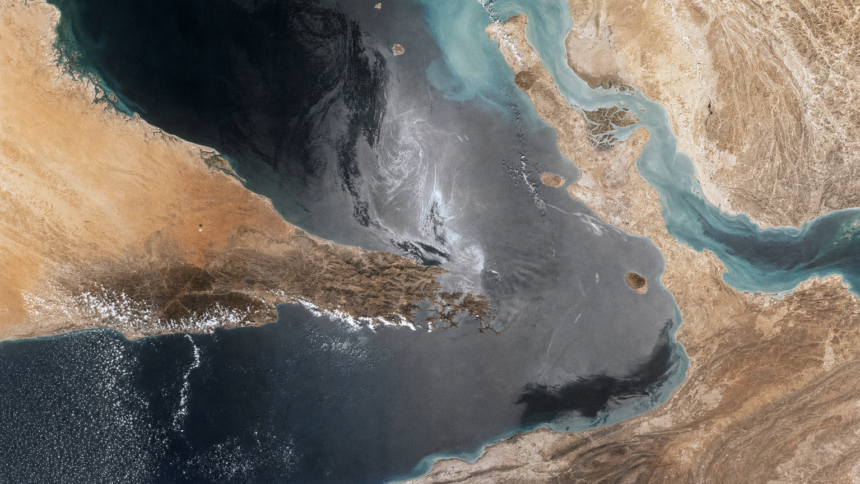
The International Energy Agency warned that energy markets face more than a year before any return to normal conditions because of overlapping crises in the Middle East. IEA Executive Director Fatih Birol told an industry summit in London that the Strait of Hormuz, which once carried a fifth of global oil and gas supplies, remains highly vulnerable after recent closures and attacks. Birol added that the situation could escalate further with serious implications for energy prices.
Preliminary International Energy Agency figures for September showed seaborne diesel exports declined 13 percent from a year earlier, or roughly 700,000 barrels per day. Net exports from the Middle East and Russia fell about 60 percent in that period while increases from the United States and China only partly offset the gap, the agency data indicated. Kpler analysts noted that intensified Iranian actions had driven Gulf crude flows sharply lower over the 10 days leading into mid-October.
U.S. crude stockpiles dropped 4.9 million barrels in the week to October 16 with gasoline and distillate inventories also lower, market sources citing American Petroleum Institute statistics reported. Energy Department officials stated they were coordinating with global refiners to increase fuel production in response to the tightening market. Goldman Sachs projected that oil could reach $120 per barrel if attacks on vessels intensify but would likely fall back toward $80 if Middle East exports return to normal levels.
Brent hovered near five-month highs in subsequent sessions as traders continued to weigh the risk premium from Houthi strikes on Saudi infrastructure including the Shaybah oilfield. ING analysts observed that prices remain well supported while the market assesses volatility but cautioned the premium could erode slowly if oil flows stay uninhibited. PVM Oil Associates analyst Tamas Varga described the strength in front-month West Texas Intermediate contracts as evidence of underlying tightness in global crude availability.