ع




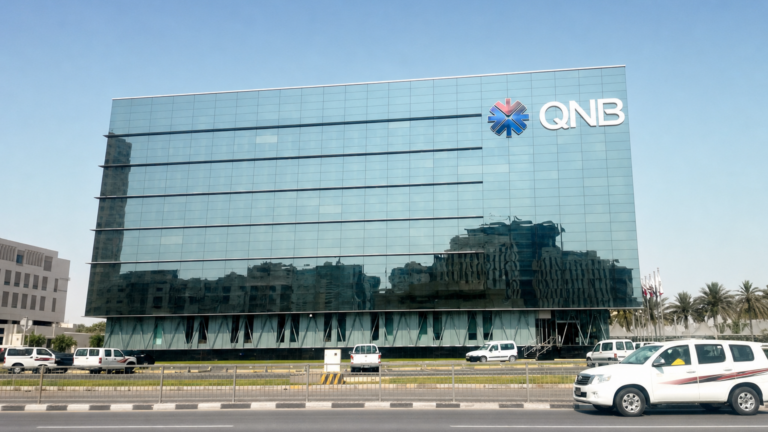
The Qatar National Bank report issued on September 26, 2026, concludes that Germany has recorded minimal economic growth since 2019, leaving output little changed from pre-pandemic levels. QNB economists noted that this performance contrasts with cumulative growth of 5 percent in the rest of the euro area and 9 percent in the United States over the same timeframe. The assessment identifies both cyclical shocks and longstanding domestic weaknesses as drivers of the underperformance that has seen Germany fall behind regional peers.
Negative demographic trends, excessive bureaucracy and slow digital adaptation have hampered productivity gains, according to the QNB document. The country’s industrial base, heavily reliant on energy-intensive processes, suffered after the loss of cheap Russian gas supplies following the 2022 invasion of Ukraine, pushing up costs and eroding competitiveness. Bundesbank data indicate export market shares have contracted since 2017, with three-quarters of the decline linked to weaker price and quality positioning rather than softer global demand.
International Monetary Fund statistics show Germany’s share of EU output has slipped from more than a quarter in 1980 to just over one-fifth in recent years. European Commission projections place German growth at 0.6 percent for 2026 after multiple years of stagnation or contraction. The QNB outlook anticipates average annual expansion near 1 percent in the medium term, below the 2 percent pre-pandemic average.
Manufacturing’s role in the economy has diminished as the automotive sector contends with Chinese competition and high domestic labor expenses that reach 62 euros per hour, compared with 29 euros in Spain. Federal Ministry for Economic Affairs forecasts point to 0.5 percent growth in 2026, driven largely by fiscal measures rather than private investment. Kiel Institute analysis similarly highlights persistent structural deficits that limit the scope for a robust cyclical rebound.
QNB economists highlighted inadequate infrastructure and failure to upgrade key industries as barriers that cannot be resolved quickly. The report compares the current challenges with Germany’s historical position as Europe’s growth engine, noting how recent years have reversed that dynamic. Industry representatives have advocated reforms to restore competitiveness and support broader European economic stability.
Public finances face added pressure from rising defense and infrastructure spending intended to counter the slowdown, according to government projections. The QNB study warns that without targeted policy changes, subdued growth will continue to affect Germany’s standing within the European Union. Recent Bundesbank assessments align with this view, projecting potential growth rates around 0.4 percent annually in the near term.