ع





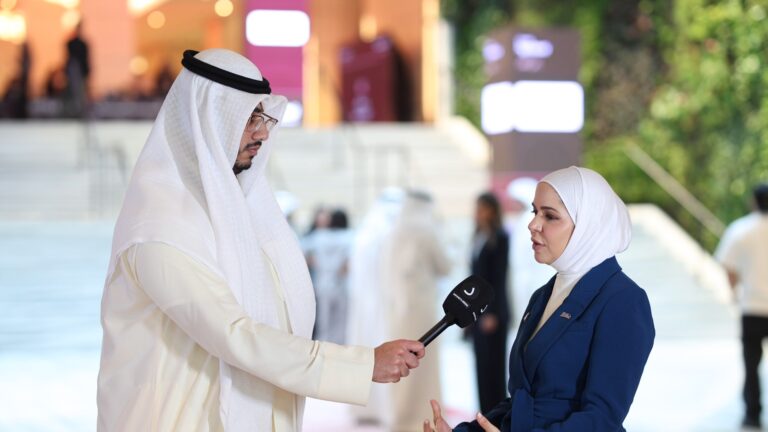
The United Arab Emirates hosted the seventh Forum of Central Shariah Authorities under the co-chairmanship of the Central Bank of the UAE and Bank Al-Maghrib, according to a statement from the CBUAE distributed via the Emirates News Agency. The event assembled senior representatives from central Shariah authorities across several countries, including Kuwait, Malaysia, Türkiye, Nigeria and Uzbekistan. Participants examined key axes related to the unification of Shariah standards and practices along with steps toward greater convergence among frameworks in different markets, the statement said.
This forum took place within the framework of the strategic partnership and close cooperation between the CBUAE and Bank Al-Maghrib, which have pursued joint efforts to reinforce coordination and the exchange of expertise in Islamic finance. The gathering also sought to keep abreast of Shariah, regulatory and legal developments that sustain the sector and promote its growth at regional and international levels. Such platforms contribute to building a more efficient and coherent Islamic financial ecosystem responsive to contemporary requirements, the CBUAE indicated.
Specialised technical workshops complemented the main sessions by addressing regulatory and legislative aspects of Islamic finance as well as the latest technological evolutions in the financial industry. Discussions covered asset tokenisation and stablecoins together with their associated Shariah and regulatory implications, according to the CBUAE statement. These workshops offered practical insights to help central authorities navigate the integration of emerging tools while upholding compliance standards.
The forum followed the signature of two memoranda of understanding by the two institutions on October 3, 2026, to strengthen supervisory cooperation, advance Islamic finance and explore interlinking of payment systems, the Central Bank of the UAE reported. Those agreements, inked by CBUAE Governor Khaled Mohamed Balama and Bank Al-Maghrib Governor Abdellatif Jouahri in Abu Dhabi, specifically called for enhanced coordination among Shariah governance bodies and the development of cross-border Shariah-compliant financing such as trade finance and infrastructure investment. Balama stated, “Through this cooperation, we look forward to exchanging supervisory expertise, developing Islamic finance solutions, and exploring opportunities to strengthen links between payment systems, contributing to a more efficient and innovative financial sector and supporting economic and trade relations between the two countries.”
The Islamic Financial Services Board’s 2026 assessment found that global Islamic finance assets reached $4.4 trillion in 2025 after 13.4 percent growth that year, with Islamic banking representing the largest share. Domestic systemically important markets hold 93 percent of global Islamic banking assets while 16 jurisdictions maintain Islamic banking sectors exceeding 15 percent of total banking assets. Central bank forums of this nature support the standardisation needed to sustain such expansion across borders.
Participation from African and Central Asian representatives alongside those from established centres highlighted the widening geographic reach of Islamic finance. Nigeria and Uzbekistan joined traditional players from the Gulf and Southeast Asia in deliberations that underscored shared interest in financial inclusion and infrastructure funding through Shariah-compliant instruments. Recommendations emerging from the sessions are expected to guide regulatory refinements in the participating countries.