ع




Ralf Brandstatter, head of Volkswagen Group in China, announced during a visit to the company’s research and development centre in Hefei that the automaker intends to export at least 300,000 vehicles produced in the country annually by 2030. The executive stressed that the plan reaches beyond vehicle shipments to encompass technology developed locally. “Together we plan to export at least 300,000 cars a year by 2030 but our ambition goes beyond exporting vehicles,” Brandstatter said. He added that the strategy seeks to transform China into a source of innovation for the global operations of Europe’s largest carmaker.
Volkswagen will export for the first time technology developed in Hefei to other parts of Asia, the Middle East and South America, according to Brandstatter. This includes the vehicles’ electronic architecture created with Chinese partner Xpeng as well as the platform and driver-assistance system developed with Horizon Robotics. “What we develop in China makes Volkswagen more competitive around the world,” Brandstatter said. The executive noted that China-developed technologies are becoming a key part of the group’s global setup and a strategic advantage.
The announcement arrives as Volkswagen contends with intense Chinese competition, weak demand in major markets and a difficult shift to electric vehicles. A Reuters report from April 2026 detailed how the company had lowered its China sales target to up to 3.2 million vehicles a year by 2030, down from an earlier goal of four million. Volkswagen delivered about 2.9 million vehicles in China the previous year, company figures show.
The carmaker struck a deal with unions in September to cut an additional 50,000 jobs by 2030, bringing the total planned workforce reduction to around 100,000, Volkswagen confirmed. Brandstatter’s comments in Hefei underscored efforts to offset sluggish growth through exports and technology sharing rather than relying solely on domestic Chinese sales. The German group has reduced production capacity in China by roughly 1.5 million units since 2023 through plant closures and repurposing, a Volkswagen assessment found.
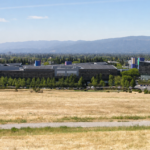
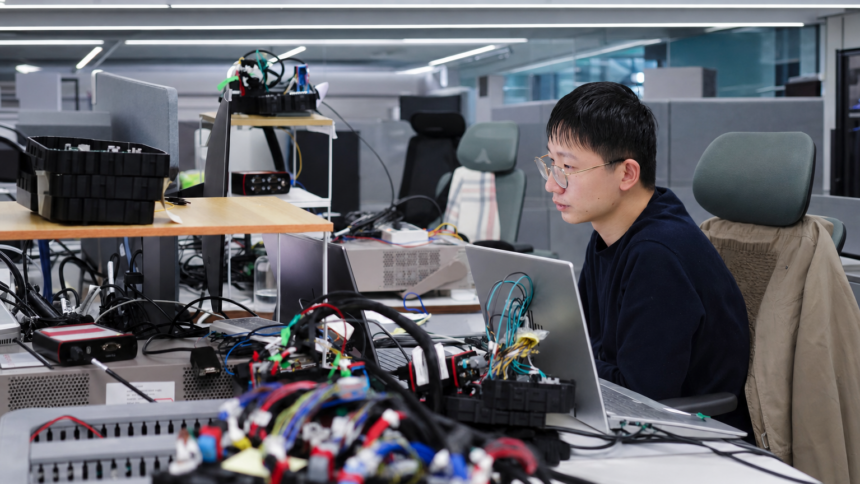
Volkswagen opened its largest research and development centre outside Germany in Hefei in 2023, where approximately 3,000 Chinese employees and 200 foreign staff focus on market-specific intelligent vehicles and related systems. The facility has enabled the group to master three critical modern vehicle technologies in China, according to the executive. Brandstatter said the centre supports cost reduction and the creation of vehicles tailored to local preferences while feeding innovations into international markets.
Europe is not included in the initial technology export destinations, Volkswagen said. The phased approach prioritises regions where the China-developed solutions can address specific infrastructure and consumer needs. This strategy builds on partnerships with local Chinese firms that have accelerated development timelines and lowered costs for the group.