ع




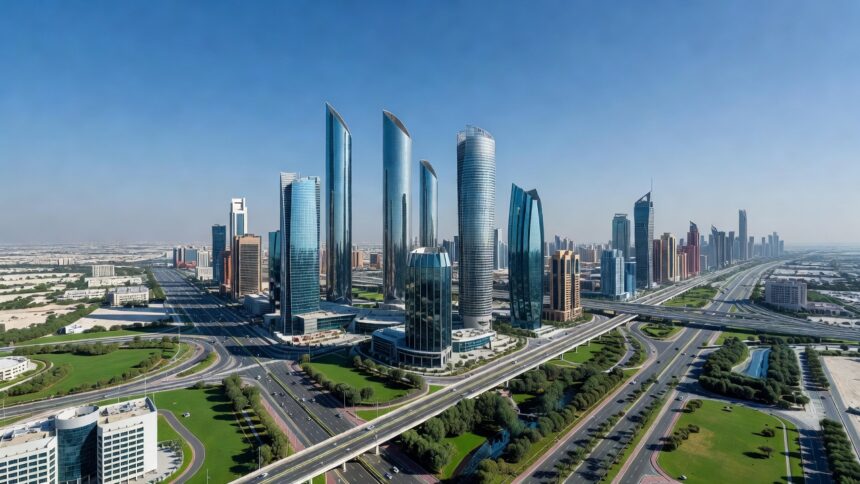
A high-level delegation from the United Arab Emirates is participating in the IMF and World Bank Group annual meetings in Bangkok to highlight the country’s experience with economic diversification, digital innovation and sustainable growth, according to the Ministry of Finance. Khaled Mohamed Balama, Governor of the Central Bank of the UAE and the country’s IMF governor, told participants that the UAE’s economic growth outlook remains positive thanks to its resilient structure. The meetings, which run from October 12 to 18, also serve as preparation for the UAE hosting the same gatherings in Abu Dhabi in 2029, an arrangement the IMF and World Bank Group announced following a vote by their boards of governors in April.
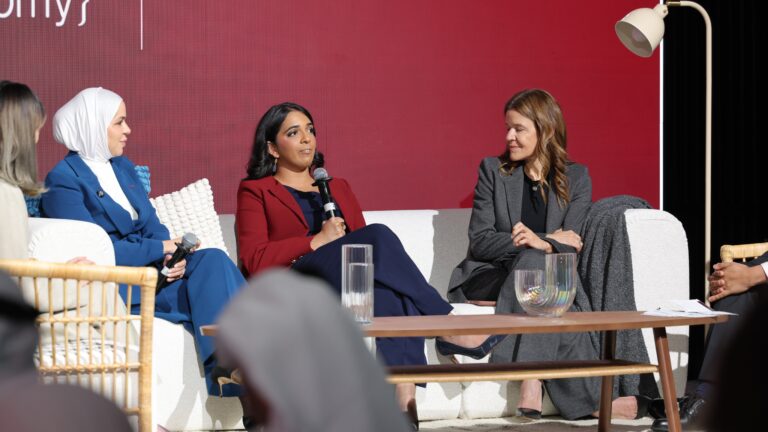
The Ministry of Finance said Mohamed bin Hadi Al Hussaini, Minister of State for Financial Affairs, is leading its delegation to the Bangkok meetings. Al Hussaini stated that the UAE is keen to build trusted partnerships and highlight innovative financing solutions that support inclusive development and strengthen economic resilience. “Through our participation, we look forward to exploring ways to strengthen financial and economic cooperation and to contribute actively to discussions on priority issues, including reinforcing global financial stability, financing development, and supporting initiatives aimed at addressing global economic challenges,” Al Hussaini said.
The delegation is engaging in several high-level events on the sidelines of the annual meetings, the Ministry of Finance reported. These include the MENAP Ministers and Governors Meeting with IMF Managing Director Kristalina Georgieva, the G20 Finance Ministers and Central Bank Governors Meeting, and sessions of the International Monetary and Financial Committee on global developments. A UAE Banks Reception is also part of the programme to strengthen ties between UAE banks and their international counterparts.
Balama’s keynote address, distributed by the Emirates News Agency, noted that GDP growth is expected to accelerate to around 10 percent in 2027. He attributed the performance to rapid expansion of non-oil economic activities, continued investment in infrastructure projects and increased production capacity in the oil sector after the UAE’s withdrawal from OPEC. The Central Bank of the UAE separately raised its 2027 growth forecast to 10.4 percent in an October assessment, citing similar drivers.
Preliminary data from the Federal Competitiveness and Statistics Centre show UAE real GDP reached AED961.9 billion in the first half of 2026, with non-oil activities contributing 79.2 percent of the economy. That non-oil share rose from 78.1 percent a year earlier as the sector expanded 1.8 percent. The Central Bank of the UAE has described non-oil growth as a key pillar supporting the country’s medium-term outlook.
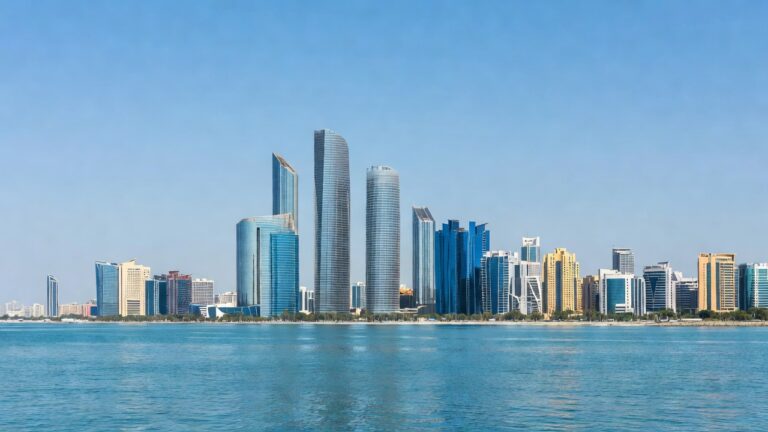
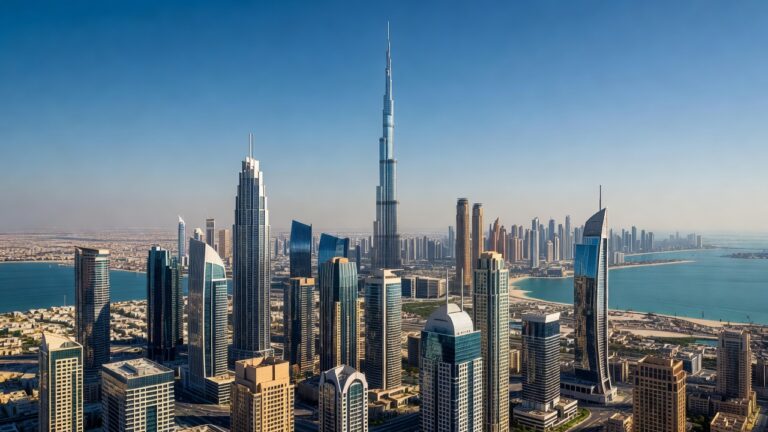
The UAE last hosted the IMF and World Bank Group annual meetings in Dubai in 2003, according to a joint statement from the two institutions. Officials from the Ministry of Finance and Central Bank of the UAE are holding coordination sessions in Bangkok with government entities to exchange expertise and align priorities ahead of the 2029 event. The World Bank has projected UAE growth at 9.5 percent for 2027 while the IMF forecast stands at 7.7 percent, both anticipating a rebound from slower conditions in 2026.