ع




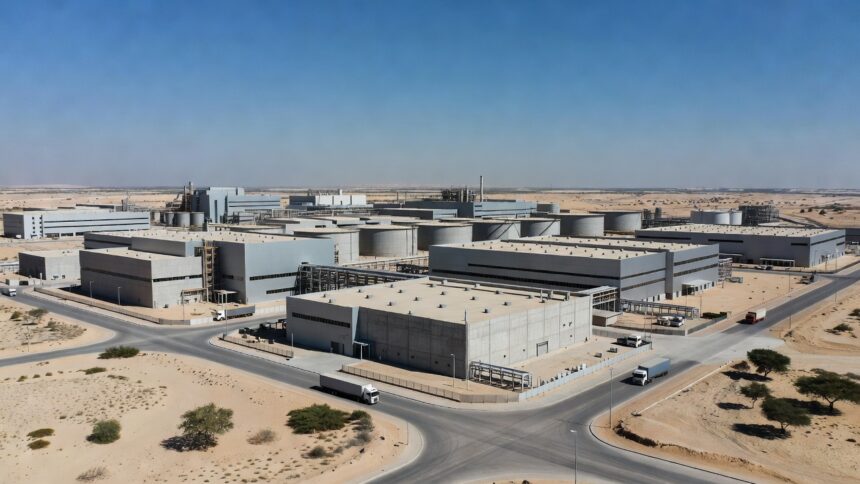
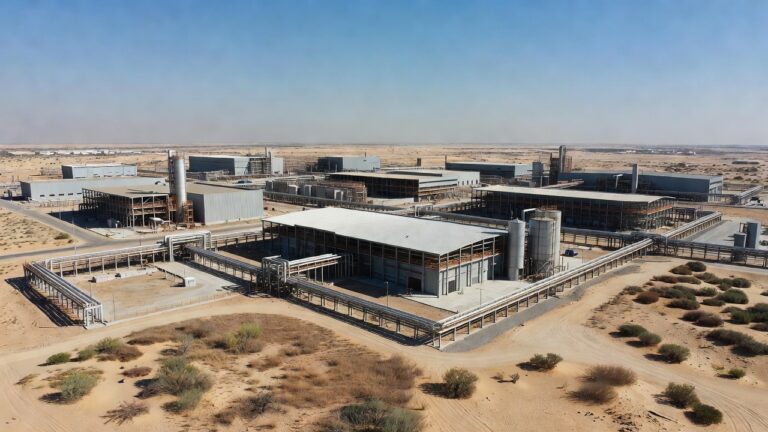
Data released by the Statistical Center for the Cooperation Council for the Arab Countries of the Gulf (GCC-Stat) on October 18, 2026, in Muscat show that industrial investments in the GCC states have reached approximately $426 billion with nearly 22,000 factories as of July that year. The center’s industrial sector report places the number of workers in the sector at more than 1.7 million while noting that manufacturing contributed about 13 percent of the GCC’s gross domestic product in 2025. GCC-Stat figures indicate that the sector has expanded as member states pursue broader non-oil growth. Around 40 percent of the investments are concentrated in core industries that include plastics, refined petroleum products, aluminum, gaseous fuels, and iron and steel. The center described these industries as forming an important foundation for manufacturing, intermediate production and the integration of regional value chains.
Industrial products account for approximately 69 percent of total GCC exports, according to the same GCC-Stat assessment. Key export categories encompass petroleum gases and hydrocarbons, petroleum oils, motor vehicles, organic chemicals, aluminum, ships, boats and electrical machinery and equipment. The center’s data highlight how these flows reflect the breadth of the regional industrial base even as activity levels vary among member states. Such export strength has grown alongside efforts to deepen industrial capacity across the bloc.
China represents the GCC’s largest source of imports at around 20 percent of the total, GCC-Stat reported. Major imported goods include machinery and equipment, automobiles, pharmaceutical products, iron and steel, and plastics. The center noted that these trade patterns underscore both the scale of the industrial sector and its connections to global supply networks. Variations in factory numbers and investment volumes persist among the six member states.
An IMF working paper published in 2025 found that inward investment across the GCC has increasingly targeted manufacturing and services in support of diversification away from hydrocarbons. The paper placed the share of service-sector investment at around 70 percent in the period from 2020 to 2023, up from 30 percent in earlier decades. GCC-Stat’s latest release aligns with that longer-term shift by documenting the current size of the established industrial footprint. The center’s report stops short of projecting future growth but frames the existing base as evidence of expanding production capacity and market reach.
The release arrives as GCC governments continue initiatives to attract further industrial capital and integrate supply chains regionally. GCC-Stat observed that differences in investment and factory counts across countries reflect varied stages of industrial development within the bloc. The center’s statistics cover activity through July 2026 and draw on official submissions from national statistical offices. These aggregated figures provide a snapshot of a sector that has become central to non-oil GDP contributions.