ع




Qatar News Agency reported that the memorandum of understanding was signed by Minister of State for Energy Affairs Saad Sherida Al-Kaabi and Saudi Energy Minister Prince Abdulaziz bin Salman Al Saud. The ceremony took place on the sidelines of the 17th International Energy Forum Ministerial Meeting and the 25th World Petroleum Congress, both part of Riyadh Energy Week in the Saudi capital. The pact sets a foundation for bilateral efforts across the full spectrum of energy activities and will take effect after both countries complete their respective legal requirements.
The agreement addresses cooperation in oil and gas along with their derivatives, refining processes, petrochemical manufacturing, electricity systems, clean hydrogen and its derivatives, renewable energy development, energy efficiency measures and storage solutions, according to the Qatar News Agency. Saudi Press Agency details indicate the MoU seeks to promote shared projects that leverage the strengths of both nations in hydrocarbon production and emerging low-carbon sectors. Such alignment comes as the pair seek to expand beyond traditional upstream activities into integrated value chains.
Cooperation on emission reduction and sustainability forms a central pillar, with provisions for joint work on climate change mitigation tools including carbon capture, transport, reuse and storage methods. The ministers agreed to boost coordination in international arenas handling energy transitions, sustainability standards and climate accords such as the Paris Agreement. Reuters noted that the document also extends to participation in forums addressing plastic pollution and related global regulatory efforts.
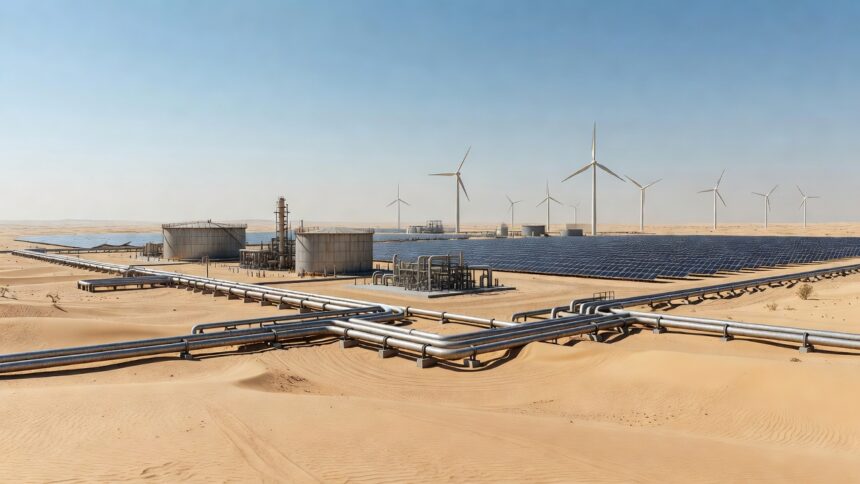
Opportunities for collaborative infrastructure will be explored under the MoU, particularly potential pipelines for oil and gas transportation and export as well as sustainable petrochemical uses in construction and other industries. The framework further encourages joint infrastructure projects aimed at improving energy access across borders. Asharq Al-Awsat reported that these elements reflect a strategic push toward deeper integration in logistics and technology sharing between the two leading Gulf energy producers.
Saudi Arabia signed comparable energy cooperation memoranda with Kuwait and Egypt during the same Riyadh gatherings, according to the Saudi Press Agency. The International Energy Agency assessment found that Gulf states collectively represent more than 30 percent of global oil supply and a growing share of liquefied natural gas trade, highlighting the significance of such bilateral pacts. Qatar holds the third-largest proven natural gas reserves worldwide while Saudi Arabia sustains the largest spare crude production capacity in OPEC, data from the cartel show.
The partnership builds on years of GCC-level energy coordination that has included electricity grid studies and joint climate positions at COP conferences, a PwC review of regional energy strategies indicated. Both countries have accelerated investments in hydrogen and renewables in recent years to meet net-zero targets set for 2050. Officials anticipate the new MoU will accelerate technical exchanges and commercial ventures that support these national visions.