ع




ICERD-9 will bring energy storage, building performance and cleaner generation into the same discussion at Kuwait University in November.
An energy-producing country also has to manage the energy it consumes. In Kuwait, the relationship between power supply, cooling and the buildings people occupy provides a concrete starting point for a research conference that might otherwise sound far removed from everyday life.
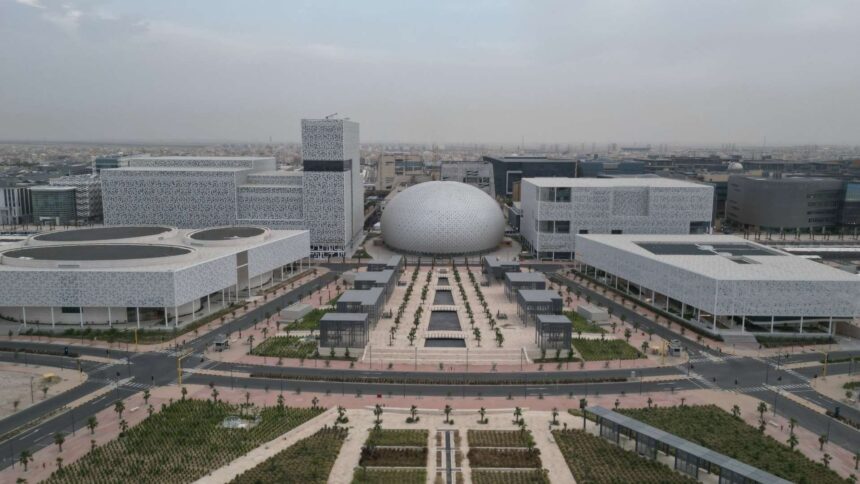
Kuwait University is preparing to host the ninth International Conference on Energy Research and Development, ICERD-9, on 17–19 November 2026 at Sabah Al-Salem University City. Those dates appear in both the university’s September announcement and ASHRAE’s current conference listing.
The published programme connects several parts of the energy system, including conservation, refrigeration, storage and renewable technologies. Its significance is that demand and supply are being discussed together. New generating capacity and the way buildings consume electricity are different responses to an interconnected problem.
Cooling places buildings inside the power system
The International Energy Agency’s 2025 assessment of electricity in the Middle East and North Africa projects a sharp increase in demand through 2035. Cooling and desalination together account for close to 40% of the projected regional increase.
The report is regional and does not assign that proportion specifically to Kuwait. Its central relevance is the way climate and water requirements connect everyday services to national infrastructure. Electricity demand is not only a consequence of industrial activity; it is also embedded in the provision of comfortable indoor conditions and usable water.
This gives research on buildings a place in an energy conference alongside generation technologies. A change in the performance of cooling equipment affects demand, while the timing of that demand matters to the electricity system. The two questions require different measurements but belong in the same discussion.
It also makes the existing building stock important. New developments can incorporate different design choices, but buildings already in use continue to require cooling and maintenance. Research that addresses their operation concerns assets that cannot simply be treated as a future planning exercise.
Retrofit research meets a local campus
ASHRAE’s programme lists a keynote by Sarah E. Maston on retrofitting for resilience. Other named presentations address hydrogen technologies, energy policy and collaboration between people and AI in building portfolios. These are scheduled subjects, not findings already produced by the conference.
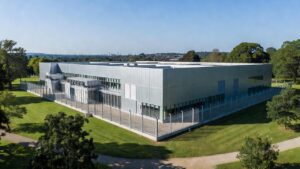
The retrofit theme has a direct connection to the event’s setting. Kuwait University’s own account of Sabah Al-Salem University City describes central cooling and architectural measures intended to reduce the effect of heat and improve the campus environment. The host institution therefore operates the kind of large built environment that the research agenda examines.
A campus also makes the scale of the problem visible. Buildings serve different functions and operate on different schedules, yet share parts of their supporting infrastructure. An improvement assessed in one space may have consequences for the wider system, and a single aggregate number can obscure those differences.
The useful question for researchers is not whether one technology sounds more advanced than another. It is how a proposed change performs under defined conditions and how those conditions relate to the places where the technology will be used. That is the bridge between a research result and an operational decision.
Shagaya offers a separate source of local evidence
Kuwait’s renewable-energy research provides another part of the story. The Kuwait Institute for Scientific Research describes the first phase of Shagaya as combining a 50-megawatt concentrated solar-power plant, a 10-megawatt wind farm and a 10-megawatt photovoltaic plant.
These are three different technologies within the same programme. Their stated installed capacity should not be confused with the amount of electricity delivered at every moment, or with the capacity of later phases described in long-term plans. Keeping those distinctions clear is essential to understanding what a project demonstrates.
The mixed technology base gives the local discussion something more specific than a general commitment to renewable power. It provides a setting in which solar and wind resources, plant operation and the organisation of generation can be examined in Kuwait’s own conditions.
KISR’s renewable-energy prediction project adds a further dimension. It describes the development of specialised forecasts for wind and solar resources at Shagaya. Forecasting connects the resource available in the environment to decisions about how an electricity system is operated.
Storage and efficiency address different questions
The inclusion of energy storage in ICERD-9’s agenda brings time into the analysis. Generation, demand and the availability of a resource do not necessarily coincide. Storage research examines one way of addressing that relationship, while conservation research examines how much energy a service requires in the first place.
These are complementary fields, but reporting them as interchangeable “green solutions” would conceal the engineering questions involved. A technology might address timing without reducing the underlying demand, or reduce demand without changing how generation is scheduled. Its contribution needs to be described in the terms actually studied.
For the same reason, a conference presentation is an early point in the reporting chain. A paper may establish performance in a model, laboratory or defined trial. Wider application involves further questions about cost, operating conditions and the infrastructure around it. None of those steps should be silently assumed.
November’s research has a practical reference point
ICERD-9 gives Kuwait’s energy discussion a setting where academic work can be considered alongside buildings, generating assets and the institutions responsible for them. The current programme is broad, but its subjects become more concrete when connected to local systems already in operation.
The most useful results to follow will be those that state the conditions, scale and limits of the work. With cooling and desalination central to the region’s future demand, the relationship between research and everyday infrastructure will remain relevant long after the November sessions end.