ع




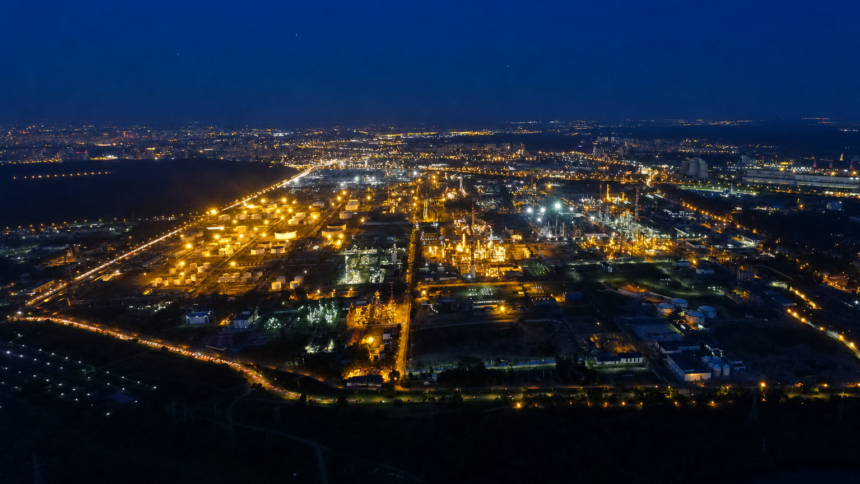
The Russian Finance Ministry placed October revenue from the oil and gas sector at 722 billion rubles, marking a notable inflow for the federal accounts.[[1]](https://www.wam.ae/en/article/17hycvv-russia-records-722-billion-rubles-budget-revenue) This figure arrives as quarterly tax obligations from energy producers are settled. Russia depends on these revenues to support a wide range of state expenditures.
Rosstat figures show that total gas production, including both natural and associated petroleum gas, advanced 3.3 percent in the January-September period to 495.4 billion cubic meters. Natural gas output specifically climbed 3.6 percent to 420 billion cubic meters during those nine months. September alone saw production of 40.6 billion cubic meters, which was 1.7 percent higher than the same month in 2025.[[2]](https://tass.ru/ekonomika/28263603)
According to a Reuters assessment, oil and gas taxes typically account for about one-fifth of Russia’s total government income. The 2026 budget law anticipates 8.918 trillion rubles from this sector against total revenues of 40.283 trillion rubles. Cumulative oil and gas receipts for the first ten months are projected to lag the prior year by 14 percent, the news service calculated based on production volumes and market prices.[[3]](https://www.reuters.com/business/energy/russias-oil-gas-revenue-seen-up-10-yy-october-12-billion-2026-10-15/)
The growth in gas output follows a 3 percent contraction across all of 2025 when total production settled at 663.3 billion cubic meters, Rosstat historical data indicate. The Ministry of Economic Development has forecasted full-year 2026 gas production at 683.1 billion cubic meters. An International Energy Agency outlook similarly sees output rising around 3 percent this year to 683 billion cubic meters.
Higher global energy prices linked to supply concerns in other regions have the potential to bolster Russian revenues, market analysts have observed. Yet variations in output levels and tax timing affect monthly collections. The October receipts reflect the impact of additional profit-based taxes paid on a quarterly basis.
Energy exports remain central to Russia’s economic framework, with the country positioned as the third-largest oil producer globally after the United States and Saudi Arabia. The sector’s performance influences budget planning and fiscal stability. Authorities release periodic updates to track progress against annual targets.