ع




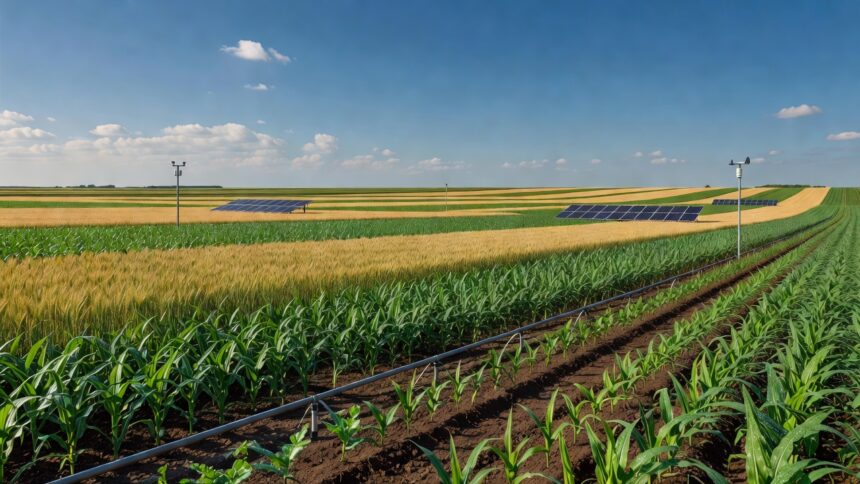
The Emirates News Agency reported that the United Nations used World Food Day to advocate harnessing artificial intelligence to transform food systems and ensure every person has access to safe nutritious and affordable food. A message from United Nations Secretary-General António Guterres on the occasion stressed the need to use knowledge technology and capacity to feed the world. Guterres said By harnessing data innovation and technology including artificial intelligence to ensure everyone can access nutritious food. The statement highlighted overlapping shocks disrupting production and supply chains while driving up costs of food and fertilizer. This call aligns with efforts to mobilize finance and support ecosystems for sustainable food production.
The State of Food Security and Nutrition in the World 2026 report by FAO IFAD UNICEF WFP and WHO estimated that 645 million people faced hunger in 2025. The assessment found that this figure reflected a decline for the third consecutive year yet remained well above levels needed to meet 2030 targets. The report by the five agencies placed the number of people unable to afford a healthy diet at 2.69 billion or nearly one in three globally. Regional disparities persist with more than half of Africa’s population experiencing moderate or severe food insecurity. A third of the global population still cannot afford a healthy diet according to the SOFI 2026 findings.
World Food Day on October 16 2026 adopted the theme Innovate today. Nourish tomorrow. according to the Food and Agriculture Organization of the United Nations. The FAO noted that the world already produces enough food to nourish everyone yet significant gaps remain in access and affordability. The occasion focused on bringing together scientists researchers innovators farmers Indigenous Peoples and youth to develop solutions. Innovation in integrated land soil and water management is essential to safeguard food security and build resilient agrifood systems the organization stated. The day also coincides with the International Year of Rangelands and Pastoralists and of the Woman Farmer.
The Food and Agriculture Organization of the United Nations placed food security and agrifood systems at the center of the global AI agenda during the AI for Good Global Summit and related meetings in Geneva earlier in 2026. FAO emphasized that responsible AI must be transparent accountable inclusive and grounded in a do no harm approach. The organization showcased use cases including its AI-powered knowledge navigator Tellus and the AgroInformatics Digital Assistant during the UN AI Dialogue Partnerships Hub launch. These tools support advisory services irrigation resilience survey analysis and farmer engagement particularly in the Europe and Central Asia region. FAO advocated for inclusive responsible and development-oriented digital transformation that empowers farmers and rural communities worldwide.
The State of Food Security and Nutrition in the World 2026 report by FAO IFAD UNICEF WFP and WHO indicated that globally about 13 percent of all food produced is lost after harvest before the retail stage. The assessment found an additional 19 percent is wasted at retail and consumer levels. Contaminated food causes some 420000 deaths per year and makes around 600 million people sick according to the report. Women farmers need greater access to resources including skills finance technology and innovation the agencies noted. Even when they manage farms of the same size as men the gap between men and women’s land productivity is 24 percent.
Indigenous Peoples who make up around 6 percent of the global population are among the most effective custodians of the world’s remaining biodiversity thanks to their food and knowledge systems the Food and Agriculture Organization of the United Nations reported. Around 1.3 billion young people aged 15 to 24 involved in agrifood systems globally represent a critical force for innovation employment and transformation across food value chains. The FAO has raised visibility of AI solutions for food security through events such as sessions on AI for resilient agrifood systems and youth-focused robotics challenges. Progress toward zero hunger by 2030 requires scaled partnerships financing and evidence-based deployment of these technologies. The United Nations continues to position AI as a tool for turning innovation into impact across sustainable development efforts.