ع




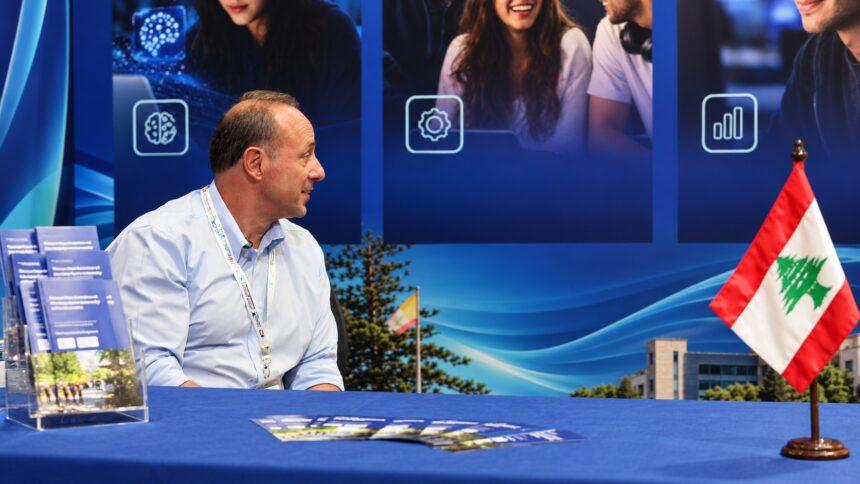
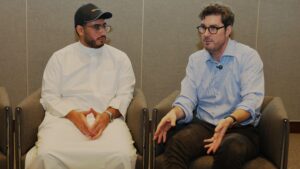
At HigherED in Kuwait, the Holy Spirit University of Kaslik discussed its links with Gulf students, opportunities to explore academic interests and the exchange experiences that can form part of university life.
A decision to study in Lebanon can still include an international experience elsewhere. That was one of the themes raised by the Holy Spirit University of Kaslik during its conversations with Diwaniya Media at HigherED in Kuwait.
A USEK representative described opportunities for students to spend one or two semesters abroad, alongside the university’s reception of visiting students. The discussion placed mobility within a wider picture of university life, connecting a home institution with experiences beyond its own campus.
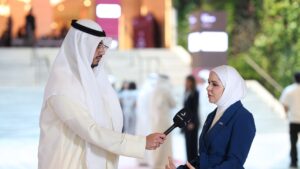
The representative also spoke about returning to the Kuwait exhibition, engagement with students from the Gulf and the value of helping applicants understand their academic interests. Together, those points made the university’s appearance about more than a list of degree titles.
Looking beyond the first destination
USEK’s outgoing mobility information describes international exchange through agreements with partner institutions. For a prospective student, the relevant question is how that possibility could fit their chosen programme and stage of study.
An exchange semester is a particular academic arrangement. The destination, available places, language requirements and courses need to align with the student’s degree. It is therefore best understood as an opportunity to investigate and plan for, rather than an automatic feature of every enrolment.
That practical distinction makes the idea more useful. An applicant interested in mobility can ask which opportunities are relevant to their subject, how selection works and when students normally begin preparing. They can also ask how courses taken elsewhere are approved within the home degree.
The representative’s description of incoming as well as outgoing students added another dimension. International contact does not only happen when a student leaves campus. Visiting students can also bring different academic backgrounds into the university environment, making exchange a two-way relationship.
Making mobility part of an academic plan
USEK’s published semester-abroad opportunities illustrate the specificity of these arrangements. The university lists opportunities linked to named institutions and individual calls, with conditions that can differ by programme and application round.
For families in Kuwait, that means the first enquiry should be tied to the student’s intended course. A general interest in Europe or the United States can begin the conversation, but the useful follow-up concerns academic eligibility, available places and the cost of taking part.
Planning also needs to account for timing. A semester abroad should fit the sequence of the degree, especially where courses have prerequisites or are offered in a particular term. Students can ask the university how academic approval is organised before making assumptions about which overseas modules will count.
The institution’s International Affairs Office provides a direct route for those questions. Separating a mobility enquiry from a general admissions enquiry helps the family reach the staff who can address the relevant part of the plan.
Exploring a subject before committing to it
The HigherED conversation also covered ways students can develop a better sense of an academic field. The USEK representative mentioned opportunities connected with medicine and hospital observation, alongside activities intended to help students understand their interests and abilities.
Those examples point to a question worth asking any university: how can a prospective student learn what the subject is actually like? An interest in medicine, engineering or another profession may begin with an image of the eventual job, while the degree itself involves a more specific pattern of study and assessment.
Exploratory experiences can help make that distinction clearer. Their availability and conditions should be checked directly with the relevant university team. A useful discussion would establish who may participate, what the activity involves and whether it is intended for school students, applicants or enrolled students.
The value lies in making a choice with a fuller understanding of the work. A student who has seen a learning environment and spoken with staff may have more precise questions about the course. That does not settle the decision on its own, but it can improve the conversation that follows.
Following up from Kuwait
The representative described the exhibition as a recurring opportunity to meet students in Kuwait and referred to the wider Gulf audience. For the university, such events provide a direct point of contact. For families, they can shorten the distance between an initial interest and the people who can answer detailed questions.
USEK’s admissions information provides the appropriate route for checking the requirements that apply to a particular applicant. Its published channels distinguish new-student enquiries from follow-up by people who have already submitted an application.
That separation is helpful when several decisions are moving at once. A student may need admissions guidance about qualifications, an academic conversation about a programme and a separate explanation of exchange options. Keeping those questions organised makes the responses easier to compare and act on.
The next conversation can begin with the intended degree, the student’s current qualifications and the international experience they hope to pursue. From there, the family can establish what is available now, what depends on later selection and which information should be revisited closer to the relevant semester.
USEK’s HigherED message connected Lebanon-based study with a wider academic network. The strongest version of that proposition is specific: a course that fits the student, an understood route into it and a realistic account of the opportunities that may become available during the degree.